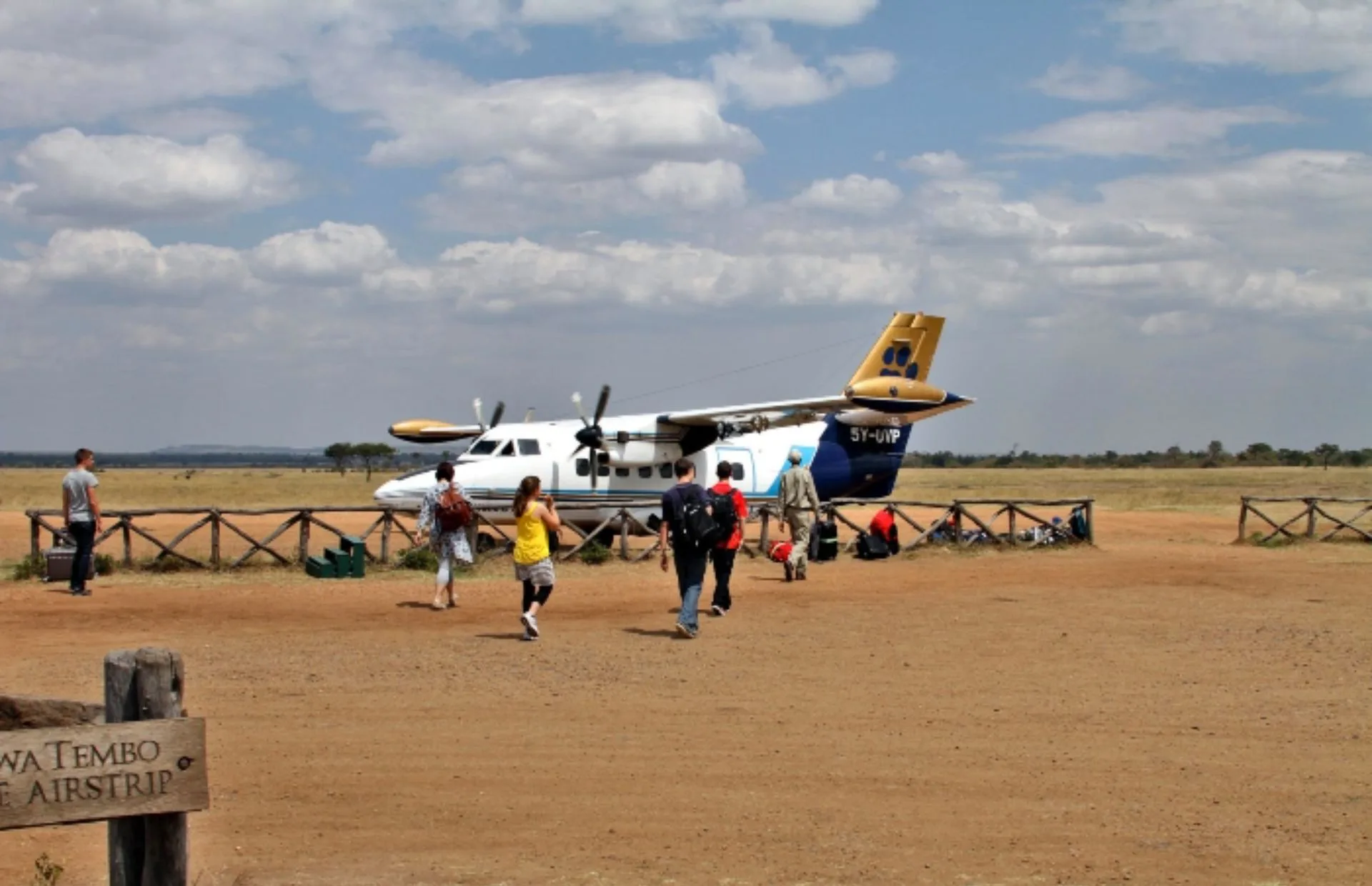


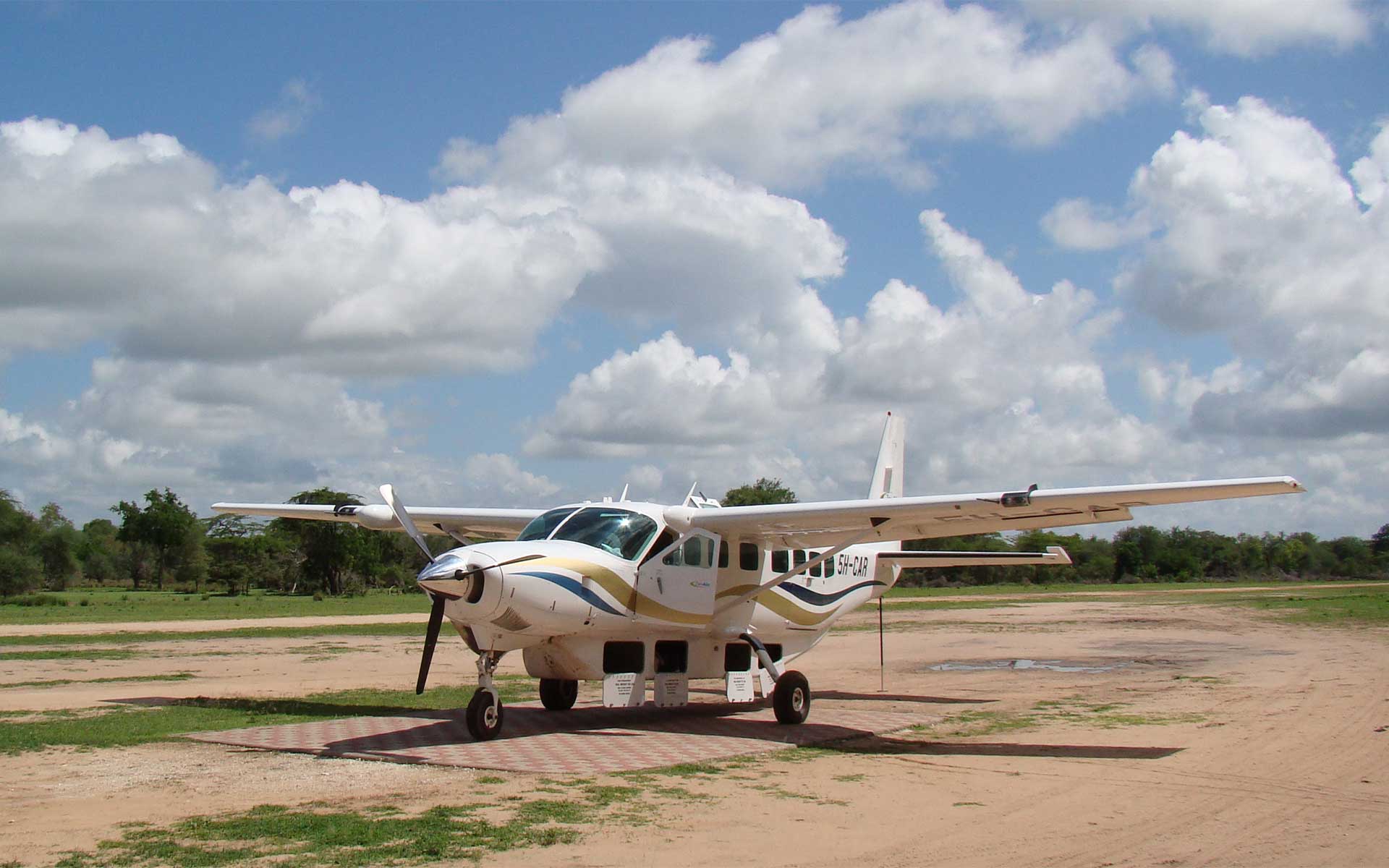
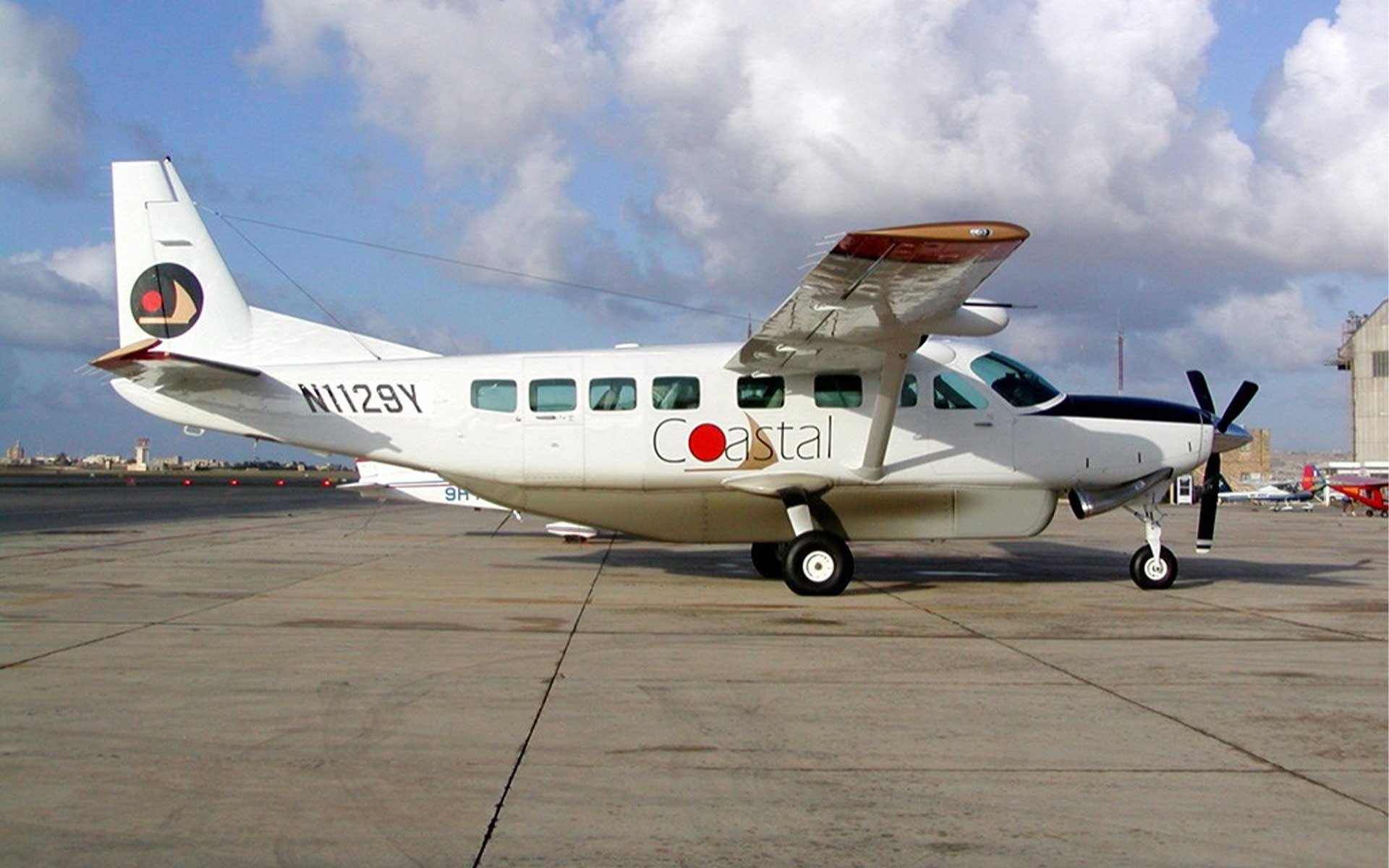
Booking my local flights on Safarisoko was a breeze! The website is user-friendly, and I was able to find and book my flights quickly. The confirmation process was seamless, and I received all the necessary details promptly. Kudos to Safarisoko for making my travel arrangements hassle-free. Will definitely use their services again!

I recently had to change my flight on Safarisoko, and I was impressed with the efficiency of their service. The process of modifying my booking was straightforward, and the customer service team was quick to respond. They guided me through the available options, ensuring I found a suitable alternative with minimal hassle. It's reassuring to know that Safarisoko values their customers and provides reliable support during unexpected changes.

Safarisoko opened my eyes to a world of unique hotels that I wouldn't have found elsewhere. Their online platform boasts an impressive collection of hidden gems, from boutique lodges to unconventional accommodations. Thanks to Safarisoko, my travel experiences have been elevated by staying in one-of-a-kind hotels that add a special touch to my journeys.

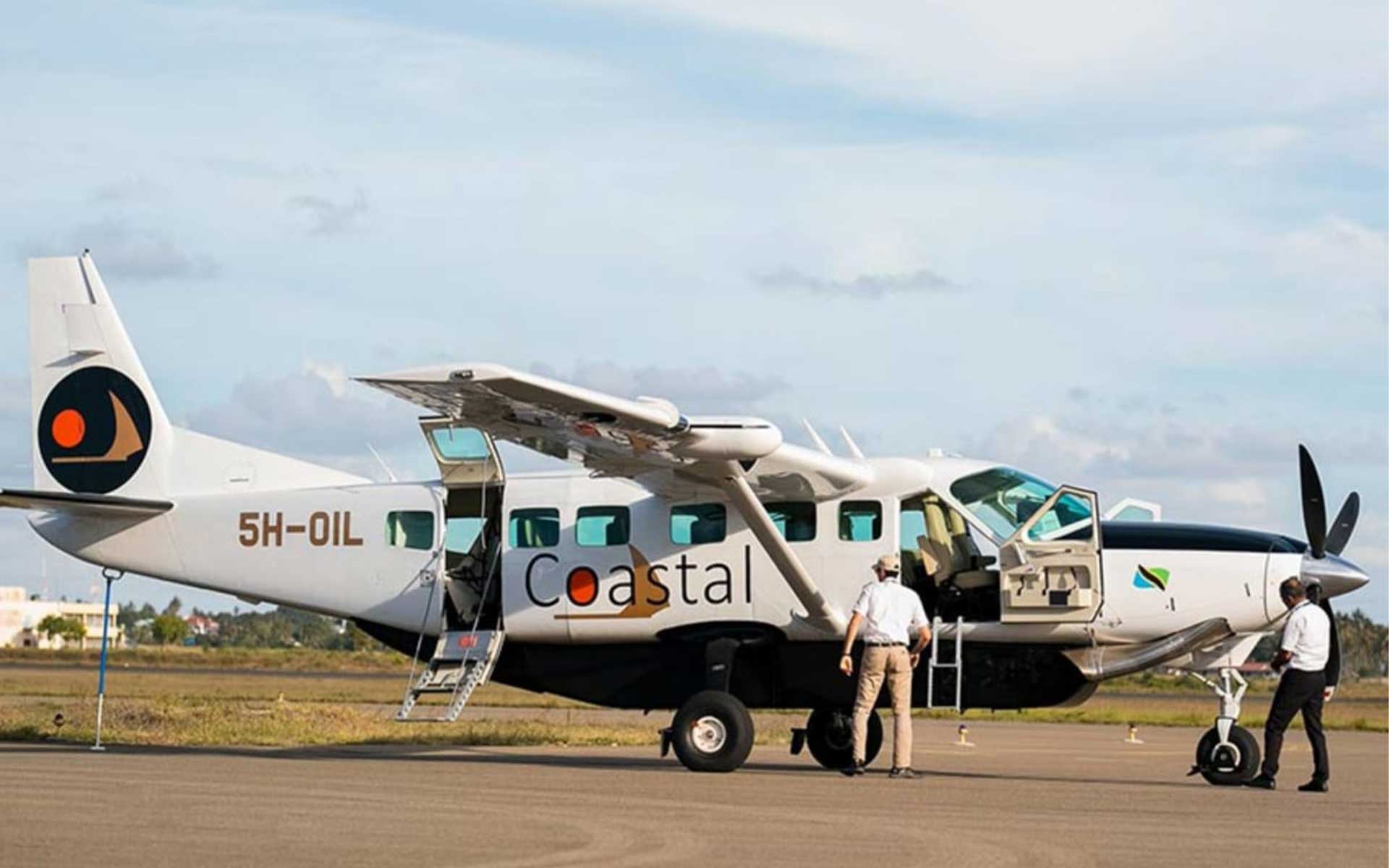
I was pleasantly surprised by the wide selection of local flights available on Safarisoko. The platform not only offered various options but also competitive prices. It's a one-stop-shop for all my flight needs within East Africa. The transparency in pricing and the ease of comparing different flights made my decision-making process much smoother. Highly recommended!

I had an exceptional experience with Safarisoko's customer service while booking my local flights. The support team was responsive and helped me navigate through a last-minute change in my travel plans. Their commitment to customer satisfaction truly stood out. I felt well-supported throughout the process, and it made my journey stress-free. I appreciate the dedication to service excellence and will be a repeat customer for sure

Safarisoko has become my trusted companion in discovering and booking unique hotels online. The platform not only showcases a variety of distinctive stays but also simplifies the booking process. I've had the pleasure of staying in unforgettable accommodations that turned my trips into memorable experiences. The convenience and reliability of Safarisoko make it my preferred choice when seeking out hotels that offer more than just a place to stay

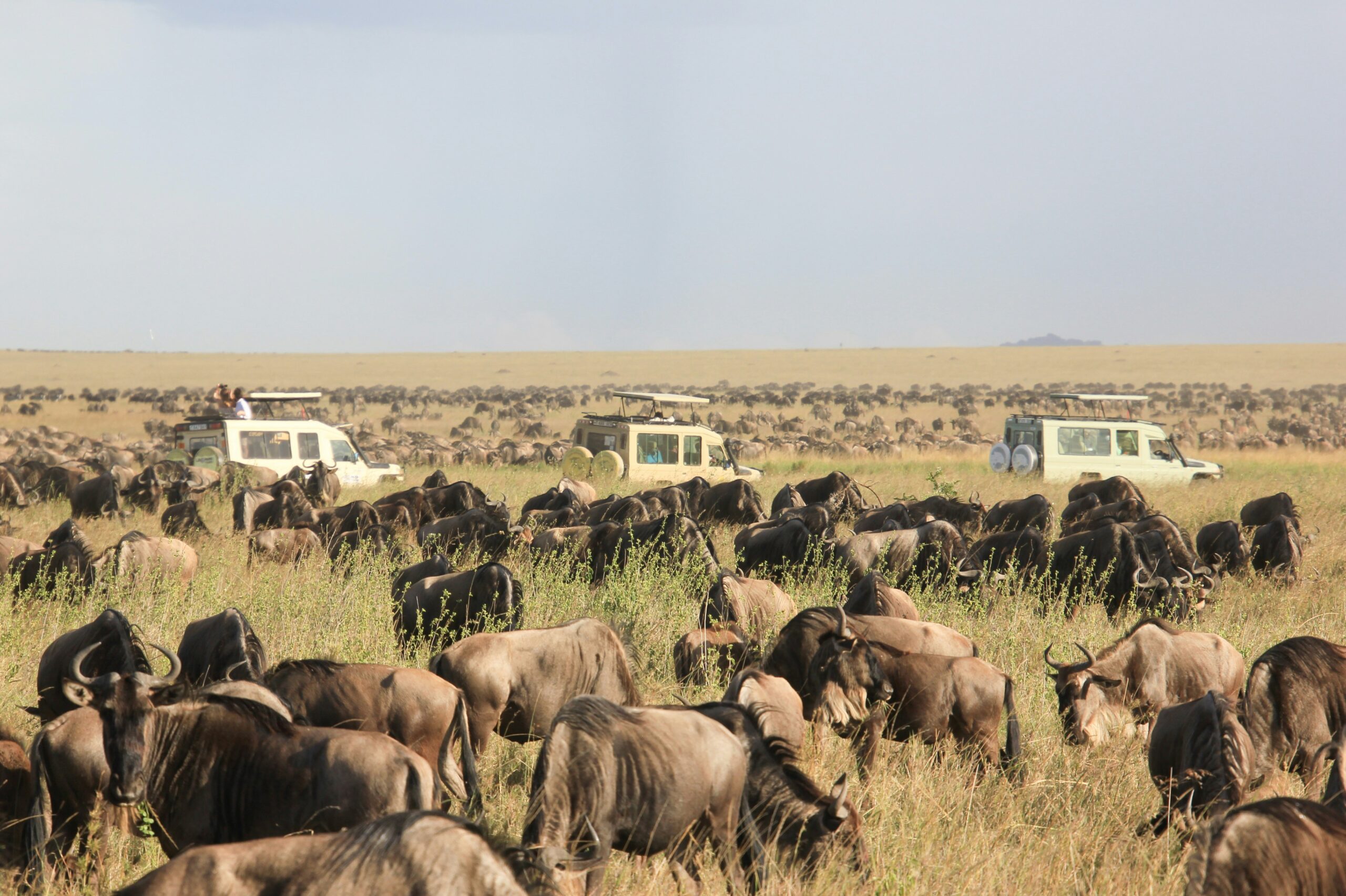
I recently booked a hot air balloon safari over the Serengeti through Safarisoko, and the experience exceeded all expectations. The booking process was seamless, and the anticipation built as the day approached. The early morning launch was nothing short of magical – watching the sun rise over the vast Serengeti plains from the serene heights of a hot air balloon is an experience of a lifetime. Safarisoko ensured a smooth and well-organized adventure.

My Safari Blue excursion booked through Safarisoko was nothing short of spectacular. The seamless booking process set the stage for a day of bliss along the coastal waters. The crystal-clear turquoise seas, snorkeling adventures, and the sumptuous seafood lunch made for an unforgettable experience. Safarisoko made it effortlessly easy to indulge in this coastal paradise, and I highly recommend them for an idyllic day out on the Safari Blue excursion.
Booking a reservation at The Rock Restaurant through Safarisoko was a delightful experience. The ease of online booking and secure confirmation set the tone for an exceptional dining experience. The panoramic ocean views and the delectable cuisine at The Rock made for a memorable evening. Safarisoko's seamless service ensured that every detail of my reservation was handled with precision, adding to the overall enjoyment of this iconic culinary adventure.
Securing the best-priced flights from Arusha to Zanzibar was a breeze thanks to Safarisoko. The user-friendly interface made the search process seamless, allowing me to effortlessly compare options and find the most budget-friendly flight. For anyone seeking convenience and affordability, Safarisoko is the go-to for getting the best flights.
Finding the ideal departure time for flights from Arusha to Serengeti Seronera became a stress-free task with Safarisoko. Their platform allowed me to effortlessly explore various departure options, ensuring flexibility in planning my journey.I highly recommend their services for anyone seeking the perfect departure time for flights to Serengeti Seronera.
Changing my hotel booking through Safarisoko was a breeze. The great customer service made the process seamless. I needed to adjust my travel dates, and Safarisoko's efficient support team swiftly assisted me, ensuring a hassle-free modification.