From Coast to Savannah
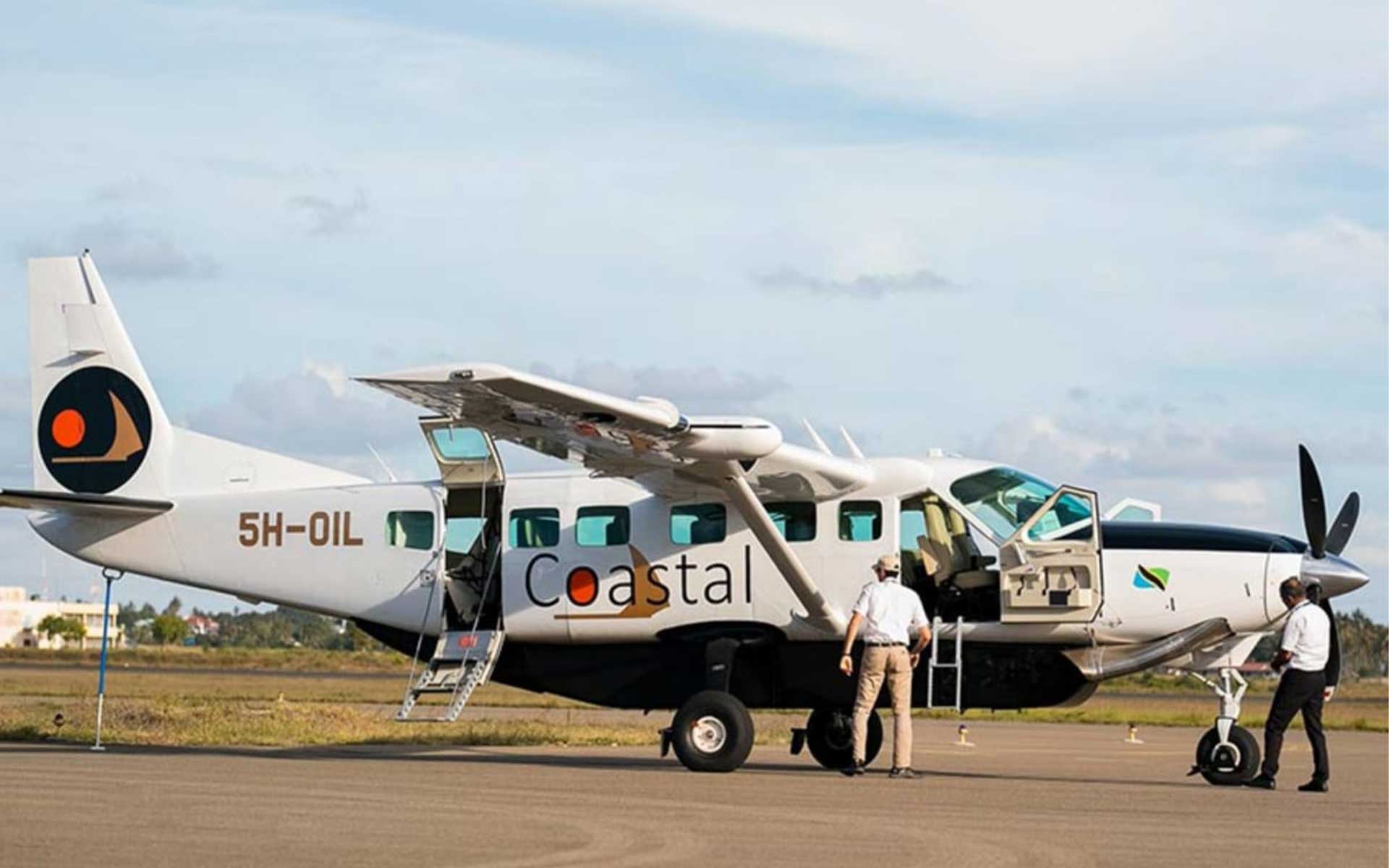
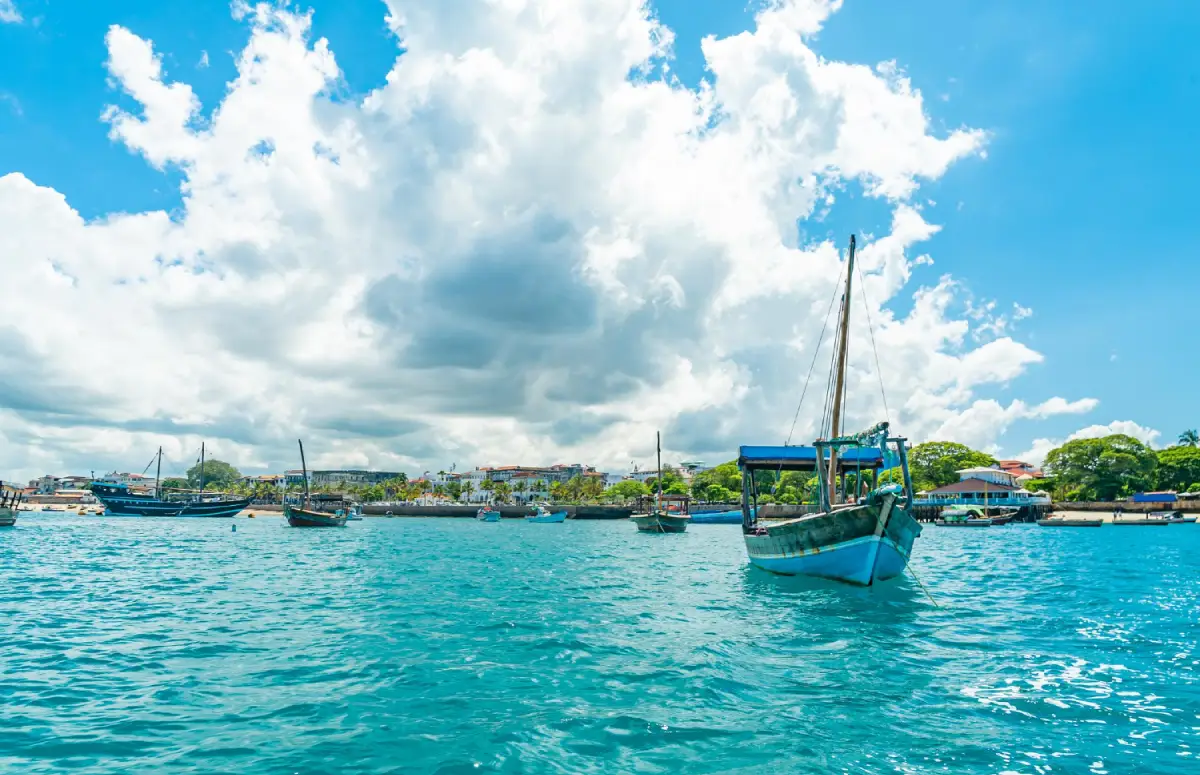
The shift from Zanzibar to the Serengeti is one of the most distinct transitions in East Africa. It moves from coastline to open plains, from humidity to dry air, and from stillness to movement. The only viable way to make that transition is by air.
What the Journey Looks Like
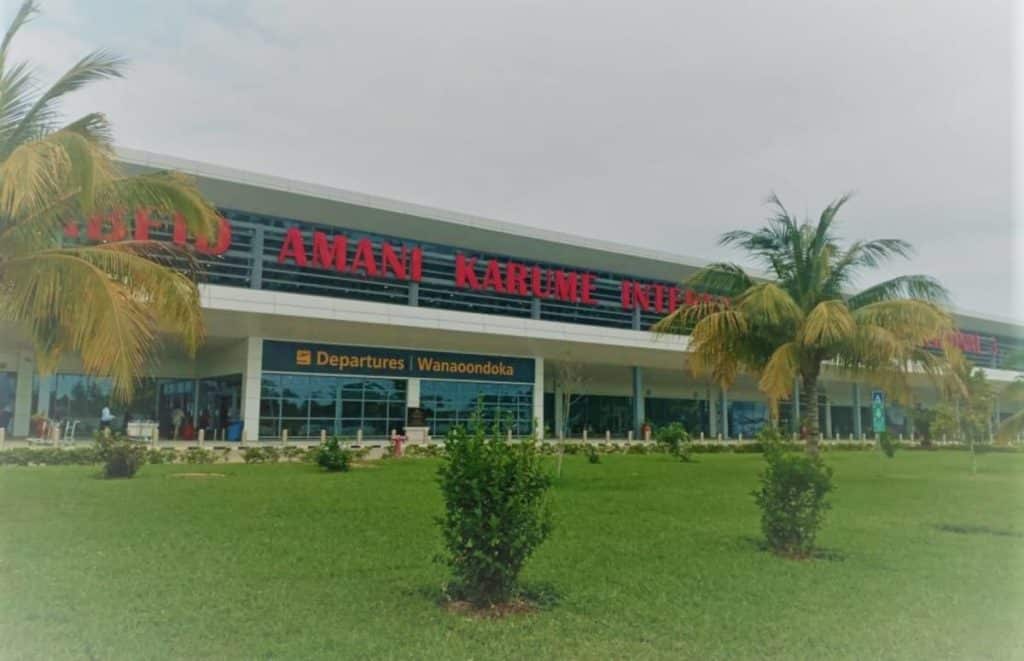
Flights depart from Zanzibar’s main airport and head inland toward the northern safari circuit. Depending on the schedule, the aircraft may land at multiple airstrips before reaching its final destination. These stops are brief and efficient, forming part of a broader network rather than individual routes.
Total travel time usually sits between two and four hours. This includes all intermediate landings, which are rarely more than ten minutes each. The process feels continuous rather than segmented.
Choosing Where to Land
The Serengeti is accessed through several airstrips, each aligned with a different region. Central areas are the most consistent and are often used for general safaris. Northern airstrips become more relevant during migration periods, when wildlife movement shifts location.
This choice is not logistical alone; it defines the safari itself. Landing in the wrong region at the wrong time disconnects the experience from its seasonal context.
Cost Versus Experience
Flights between Zanzibar and the Serengeti are among the more expensive segments of a Tanzania itinerary. However, they replace what would otherwise be an impractical combination of ferry, road travel, and additional flights. The comparison is not direct; one option preserves the trip, the other fragments it.
Timing the Transition
Most travellers move from safari to Zanzibar rather than the reverse. This sequencing allows the intensity of wildlife travel to settle into a slower pace at the coast. That said, starting in Zanzibar can work equally well if flight timing aligns.
The key factor is not direction but continuity. The transition should feel like a progression rather than a reset.