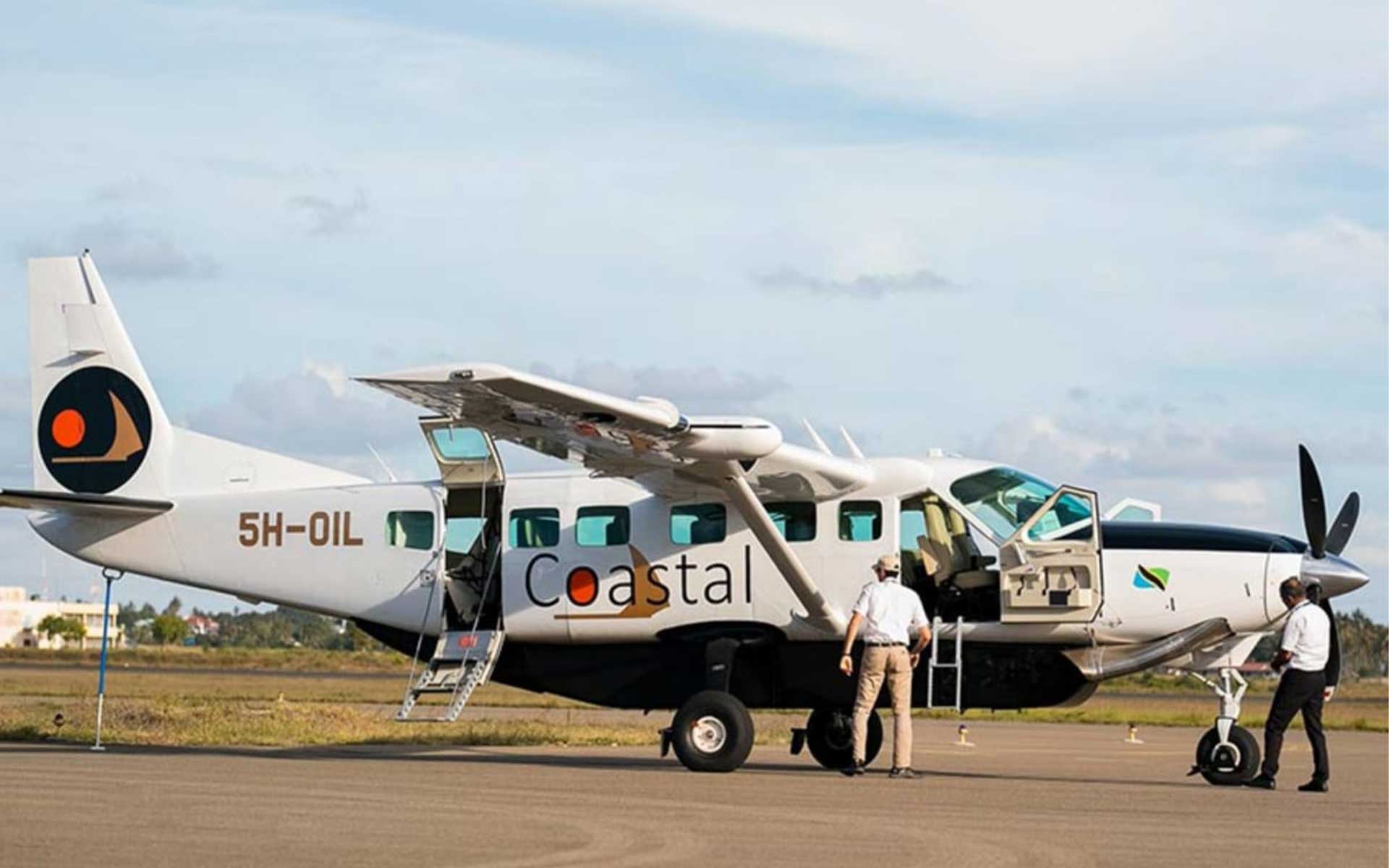
Planning a multi-stop Serengeti safari using flights allows you to cover vast distances efficiently while experiencing different regions of the park in a single itinerary. The Serengeti is not one uniform landscape. It is a collection of distinct ecosystems, each offering different wildlife patterns depending on the time of year.
Understanding how to structure a fly-in safari across multiple locations is key to maximising both your time and your overall experience.
Why Use Flights for a Multi-Stop Serengeti Safari
The Serengeti spans thousands of square kilometres. Travelling between regions by road can take an entire day, reducing time available for game drives.
Flights solve this constraint.
Save Time and Maximise Game Viewing
Flying between airstrips such as Seronera, Grumeti, and Kogatende reduces long transfer times to short, manageable journeys. Instead of spending 8–10 hours in a vehicle, you can reposition in around one hour.
This means:
- More time on safari
- Less travel fatigue
- Greater flexibility in your itinerary
Access Remote and High-Value Safari Areas
Some of the best wildlife areas in the Serengeti are not easily accessible by road within a limited timeframe. Flights allow you to move directly between these regions without backtracking.
Understanding Serengeti Regions for Flight Planning
To plan effectively, you need to understand how the Serengeti is divided and how wildlife moves between these areas.
Central Serengeti (Seronera)
The central Serengeti is the most consistent year-round wildlife area. It is often used as a starting point due to its accessibility and reliable game viewing.
Western Serengeti (Grumeti)
The Grumeti region is known for river crossings earlier in the migration cycle, typically between May and July. It offers a quieter, more remote safari experience.
Northern Serengeti (Kogatende)
Kogatende becomes the focal point during the peak migration months when herds move towards the Mara River. This area is particularly sought after between June and October.
How to Structure a Multi-Stop Serengeti Safari
A well-planned itinerary follows wildlife movement rather than fixed locations.
Step 1: Start with a Central Hub
Begin your safari in the central Serengeti. This provides a strong introduction to the ecosystem and allows for flexible onward routing.
Step 2: Move Based on Migration Patterns
From central Serengeti, flights allow you to reposition depending on the time of year:
- Head west to Grumeti during early migration movement
- Head north to Kogatende for river crossing season
Step 3: Limit the Number of Stops
While flights make multi-stop safaris possible, too many locations can fragment the experience. Two to three well-chosen camps is typically optimal.
Step 4: Align Flights with Lodge Locations
Each camp is linked to a specific airstrip. Planning flights that minimise transfer times between airstrip and lodge improves overall efficiency.
Key Flight Routes Within the Serengeti
Common internal routes used in multi-stop itineraries include:
- Seronera to Grumeti
- Grumeti to Kogatende
- Seronera to Kogatende
These routes are operated as part of scheduled safari flight networks and may include brief stops along the way.
When to Book Serengeti Flights
Timing affects both availability and itinerary structure.
Peak Migration Season
Between June and October, demand for northern Serengeti routes increases significantly. Flights to Kogatende often reach capacity well in advance.
Shoulder Seasons
Outside peak months, there is greater flexibility in routing and availability, allowing for more adaptable itineraries.
Practical Considerations for Fly-In Safaris
Baggage Restrictions
Flights within the Serengeti use small aircraft with strict luggage limits. Soft-sided bags are required.
Flight Schedules
Flights operate on set schedules rather than on-demand. Planning needs to account for fixed departure times and potential stops.
Transfers and Logistics
Lodges typically arrange transfers from airstrips. These are often integrated into the safari experience, doubling as game drives.
Why Multi-Stop Safaris Work Best by Air
A multi-stop Serengeti safari is not about covering distance for its own sake. It is about experiencing different phases of wildlife movement.
Flights make this possible without compromising time, comfort, or overall safari quality.