Packing for a safari is not about quantity. It is about choosing the right items for comfort, practicality, and changing conditions.
Whether you are flying between parks or staying in one region, what you bring, and what you wear, directly affects your experience in the bush.
What to Wear on Safari: The Basics
Safari clothing is built around three priorities:
- Comfort during long game drives
- Protection from sun and dust
- Neutral colours that blend into the environment
The goal is not style in the traditional sense, but functionality that allows you to focus on the experience.
Best Colours to Wear on Safari
Neutral tones are essential.
Recommended colours include:
- Khaki
- Beige
- Olive green
- Light brown
These colours help you stay cool and avoid attracting attention from wildlife.
Avoid:
- Bright colours (they stand out in the landscape)
- Dark blue and black (can attract insects such as tsetse flies)
Essential Safari Clothing
Lightweight Shirts and Trousers
Long-sleeved shirts and lightweight trousers are ideal.
They provide:
- Sun protection
- A barrier against insects
- Comfort in both warm and cooler conditions
Breathable fabrics such as cotton or technical blends work best.
Layers for Early Mornings and Evenings
Temperatures in safari areas can vary significantly throughout the day.
You will need:
- A light jacket or fleece for early morning drives
- A warmer layer for evenings, especially in open vehicles
As the day warms up, layers can be removed easily.
Comfortable Footwear
You will spend most of your time in vehicles, but comfortable shoes are still important.
Recommended options:
- Lightweight trainers or walking shoes
- Closed-toe shoes for protection
Heavy hiking boots are usually unnecessary unless your itinerary includes walking safaris.
What to Pack for a Fly-In Safari
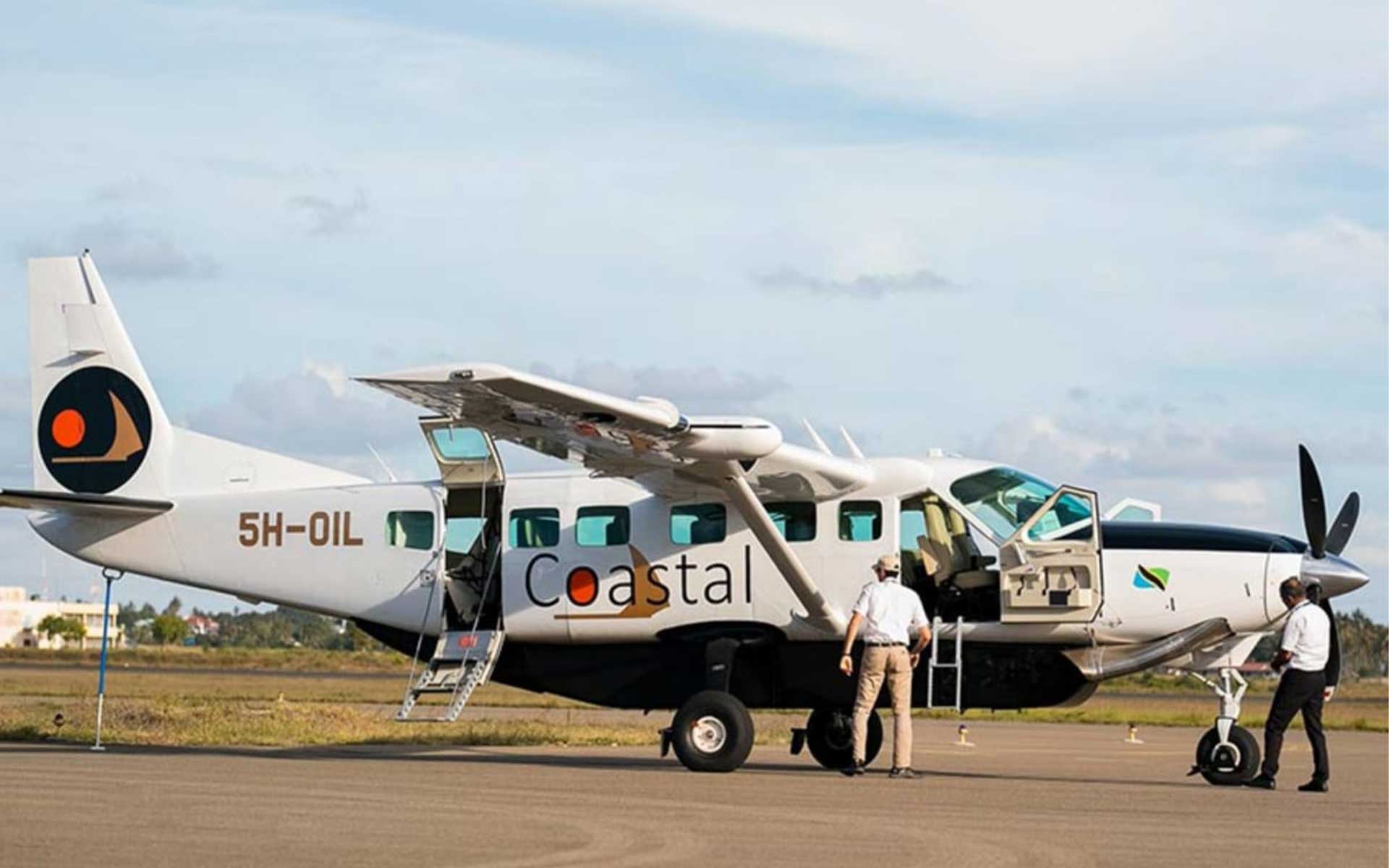
Packing for fly-in safaris requires additional consideration due to baggage restrictions.
Soft-Sided Luggage Only
Most safari flights require:
- Soft duffel bags
- Flexible luggage that can fit into small aircraft compartments
Hard suitcases are typically not accepted.
Keep Within Weight Limits
Typical allowance is around 15 kg per person, including hand luggage.
Packing efficiently is essential.
Safari Essentials You Should Not Forget
Sun Protection
- High SPF sunscreen
- Sunglasses
- Wide-brim hat or cap
The sun can be intense, even on cooler days.
Binoculars
Wildlife is not always close to the vehicle.
A good pair of binoculars enhances:
- Game viewing
- Birdwatching
- Overall safari experience
Camera Equipment
If photography is a priority:
- Bring extra batteries
- Carry additional memory cards
- Protect equipment from dust
Dust is a constant factor in safari environments.
Insect Repellent
Especially important in certain regions and seasons.
Look for:
- Repellents containing DEET or equivalent
- Lightweight options easy to carry during game drives
Laundry and Repacking on Safari
Most safari lodges offer daily laundry services.
This allows you to:
- Pack fewer items
- Reuse clothing throughout your trip
- Stay within baggage limits
It is common to travel with fewer clothes than you would for a standard holiday.
What Not to Pack
- Excess clothing (you will not need it)
- Formal outfits (rarely required)
- Hard suitcases for internal flights
- Heavy gear that adds unnecessary weight
Keeping luggage light improves both comfort and logistics.
Dressing for Different Safari Activities
Game Drives
- Neutral clothing
- Layers for temperature changes
- Comfortable seating attire
Walking Safaris (if included)
- Closed shoes with good grip
- Lightweight, breathable clothing
- Neutral colours for minimal disturbance
Evenings at Camp
Evenings are relaxed but can be cooler.
- Light layers
- Comfortable, casual clothing
There is no strict dress code in most safari camps.
Pack for the Environment, Not the Occasion
Safari travel is practical by nature. The right clothing and gear allow you to stay comfortable, move easily, and focus on the experience rather than your luggage.
Pack light, pack smart, and everything else falls into place.