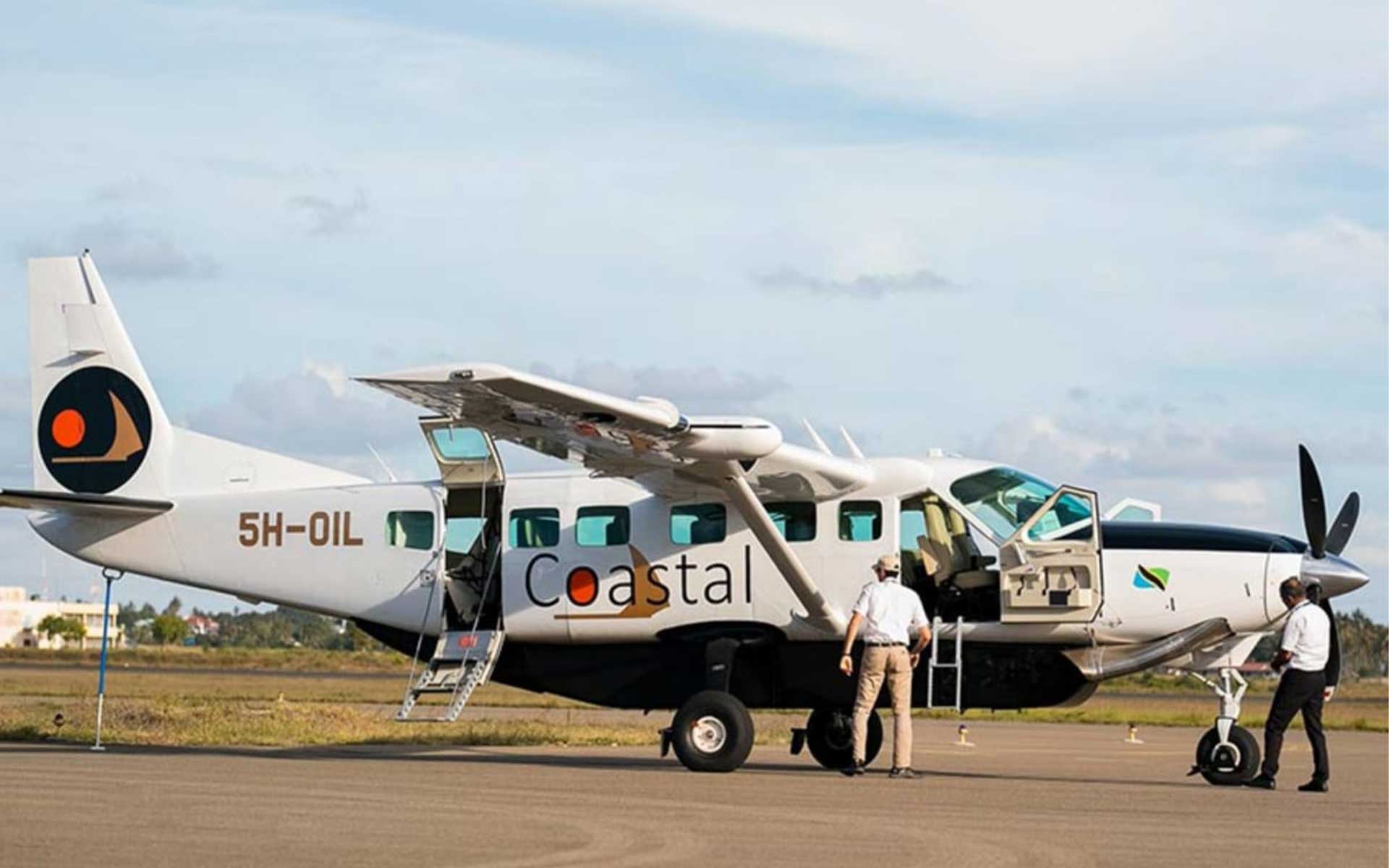
What Is a Fly-In Safari in Tanzania?
A fly-in safari in Tanzania uses scheduled light aircraft flights to transport travellers between key destinations such as the Serengeti, Ngorongoro, and remote safari regions. Instead of long overland drives, travellers move between airstrips located close to lodges and camps.
This approach is widely used across northern Tanzania, particularly for Serengeti itineraries where distances between regions are significant.
For travellers researching Tanzania safaris, fly-in options offer a clear alternative to traditional road-based itineraries, especially when time is limited.
How Domestic Safari Flights Work in Tanzania
Domestic safari flights in Tanzania operate on scheduled routes rather than private charters. These flights connect major gateways such as Arusha and Zanzibar with multiple bush airstrips across national parks.
Key characteristics of these flights include:
- Small aircraft designed for short regional routes
- Multiple stopovers at different airstrips
- Flexible routing depending on passenger demand
- Short flight durations, often between 30 minutes and 2 hours
Routes are structured to maximise efficiency, meaning travellers may land at several airstrips before reaching their final destination. This is standard across Serengeti flights and does not significantly impact overall travel time.
Where Do Fly-In Safaris Start?
Most fly-in safaris begin from one of Tanzania’s main aviation hubs:
- Arusha (domestic safari gateway)
- Zanzibar (coastal starting point)
- Dar es Salaam (international arrival hub)
From these locations, travellers connect to airstrips within national parks, including:
- Seronera (Central Serengeti)
- Kogatende or Lamai (Northern Serengeti)
- Grumeti (Western Serengeti)
Understanding these entry points is essential when planning a Serengeti itinerary using flights.
Why Choose a Fly-In Safari in Tanzania?
Save Time on Long Distances
Tanzania is a large country, and travelling between safari regions by road can take several hours or even a full day. Flying reduces these journeys to short, manageable flights.
Maximise Time on Safari
Less time spent in transit means more time for game drives, lodge experiences, and wildlife viewing.
Access Remote Safari Locations
Many high-quality lodges are located in areas that are difficult to reach by road. Fly-in safaris provide direct access to these remote regions.
Improve Itinerary Flexibility
Flights allow travellers to combine multiple regions within a single trip, such as central, northern, and western Serengeti.
Fly-In Safari vs Driving in Tanzania
When Flying Makes More Sense
- Multi-region Serengeti itineraries
- Shorter trips with limited time
- Travellers prioritising comfort and efficiency
When Driving May Be Preferred
- Budget-conscious travel
- Overland safari experiences
- Routes with strong road infrastructure (e.g. Ngorongoro)
For most Serengeti itineraries, a combination of flying and limited road transfers is common.
What to Expect at Safari Airstrips
Safari airstrips in Tanzania are simple and functional. They are typically unpaved runways located within or near national parks.
On arrival:
- Lodge representatives usually meet guests directly
- Transfers to camps are arranged in advance
- Facilities are minimal, often just a shaded waiting area
Airstrips such as Seronera and Grumeti serve as key connection points for Serengeti internal flights.
Baggage Rules on Tanzania Safari Flights
Baggage restrictions are stricter than on international flights due to aircraft size.
Typical guidelines include:
- Soft-sided bags only
- Weight limits usually around 15kg including hand luggage
- Limited space for additional items
Packing appropriately is essential for a smooth fly-in safari experience.
How to Plan a Fly-In Safari Itinerary
Planning a fly-in safari requires understanding how routes connect across Tanzania.
Key considerations:
- Choose regions based on wildlife seasonality
- Use central hubs like Seronera for connections
- Combine 2–3 regions to balance variety and travel time
- Align flights with lodge availability and transfer times
A well-planned itinerary ensures minimal backtracking and efficient movement between locations.
Best Time for Fly-In Safaris in Tanzania
Fly-in safaris operate year-round, but timing affects the overall experience.
- June to October: Dry season, best for wildlife viewing
- May to July: Western Serengeti migration movement
- July to October: Northern Serengeti river crossings
- November to April: Green season with fewer crowds
Flight availability remains consistent, but demand increases during peak safari months.