One Park, Multiple Experiences
It is easy to think of the Serengeti as a single destination, but in practice it behaves more like a collection of distinct environments operating under one name. The decision of where to stay is not secondary, it is the core decision that shapes the entire safari.
Within Serengeti National Park, distances are significant enough that moving between regions is not something done casually. A lodge location determines the landscape, the density of wildlife, and the rhythm of each day.
The Central Serengeti: Consistency Over Seasonality
The central region, often referred to as Seronera, is the most stable part of the park. Wildlife remains present throughout the year, supported by permanent water sources. This reliability makes it the default choice for shorter safaris or first-time visits.
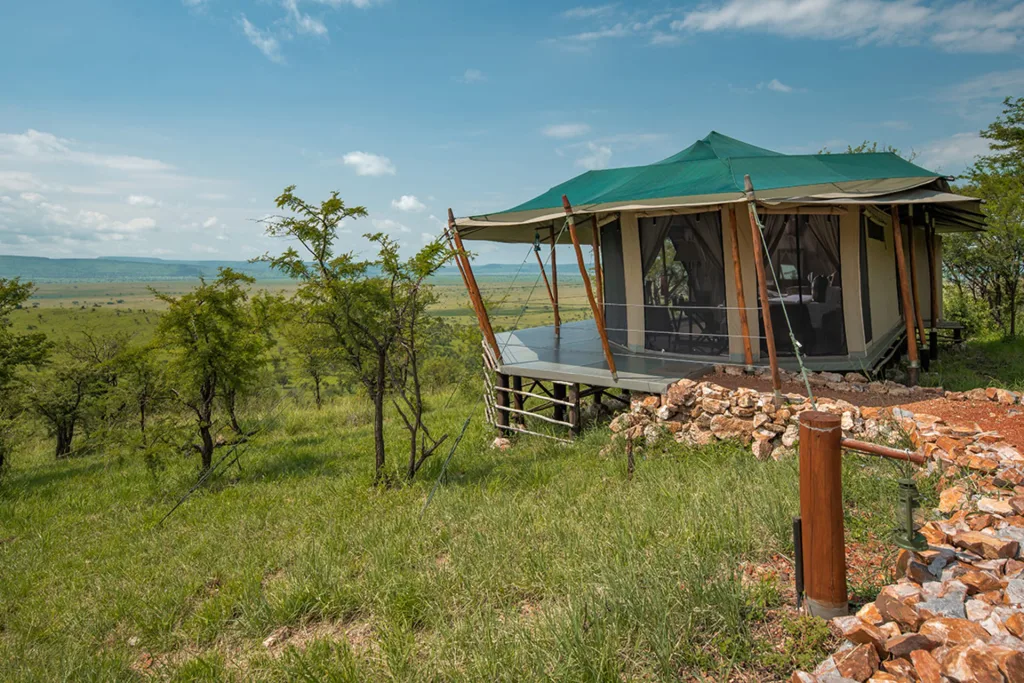
There is less dependence on timing here. While the migration may pass through at certain points, the experience does not rely on it. Predator activity is consistent, and game drives tend to produce steady sightings without long distances.
The Northern Serengeti: Remote and Seasonal
The north operates differently. It is defined by periods of intensity rather than year-round balance. During migration months, it becomes one of the most sought-after areas due to river crossings. Outside of that window, it is quieter, more remote, and less predictable.
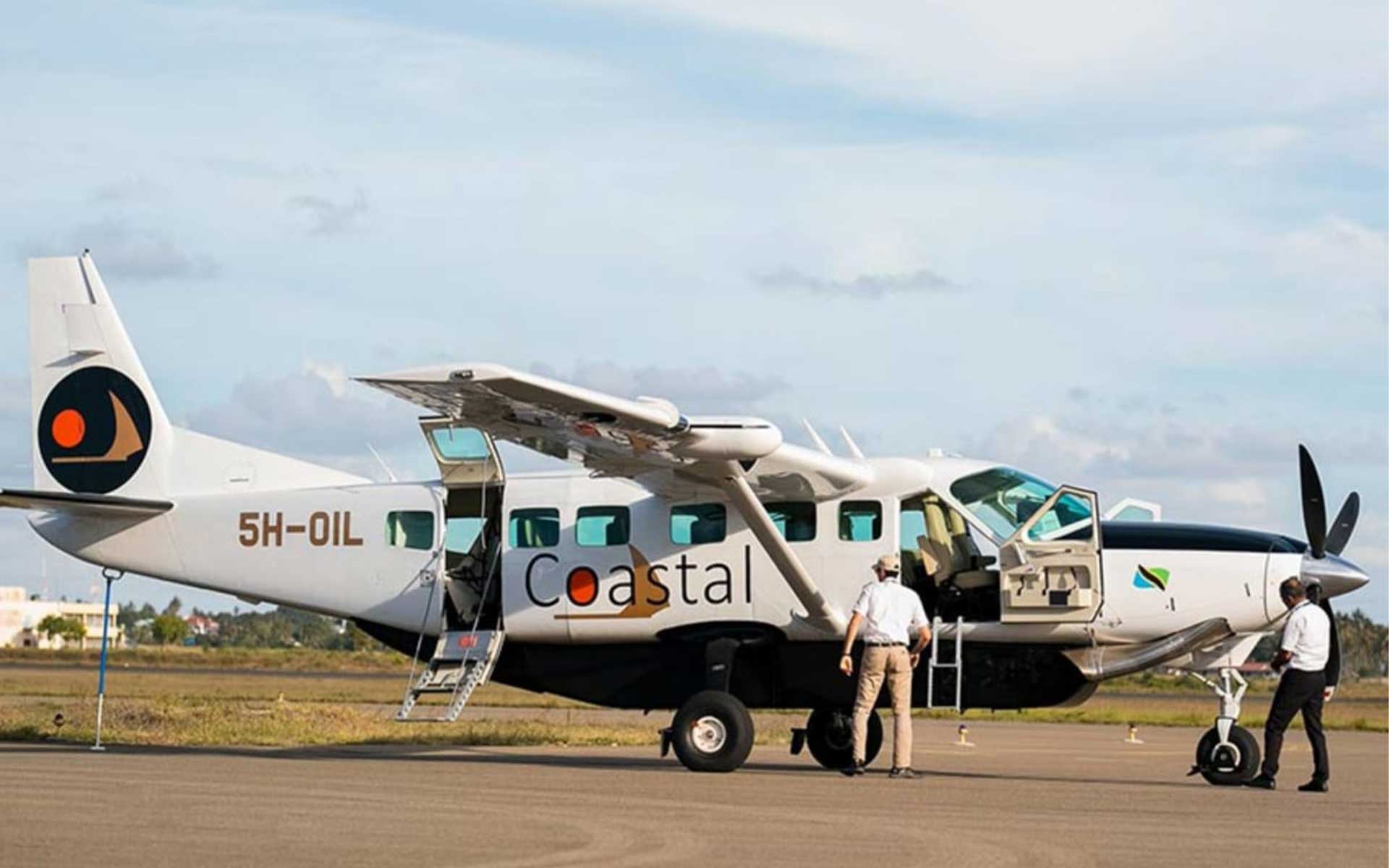
Reaching the north usually involves flying into specific airstrips rather than driving from central regions. This isolation is part of its appeal, but it also requires precise timing.
The Southern Plains: Open and Time-Sensitive
The southern Serengeti offers a completely different landscape—wide, open plains with shorter grass and high visibility. This is where calving season takes place, drawing large concentrations of wildlife and predator activity.
However, this region is highly seasonal. Outside of the calving period, wildlife disperses, and the experience changes significantly. Staying here only makes sense when aligned with the correct timing.
The Western Corridor: Less Travelled, Highly Specific
The western corridor receives less attention, largely due to its distance from common entry points. It offers river systems and migration movement, but requires deliberate planning to include effectively.
It is rarely part of shorter itineraries and is better suited to travellers with extended time who want to explore beyond the typical routes.
Matching Location to Itinerary
Choosing a region is not about ranking one above another. It is about alignment. A three-day safari benefits from central access and consistency. A migration-focused trip demands northern positioning. A calving-season itinerary requires a southern base.
When this alignment is correct, travel distances shorten, sightings improve, and the experience becomes cohesive. When it is not, time is spent moving rather than observing.