A Landscape Defined by Movement
Serengeti National Park is often described as a single destination, but in practice it behaves more like a system. Its defining feature,the Great Migration, does not stay in one place. It moves, and everything around it adjusts.
Understanding this changes how the Serengeti is approached. Instead of asking when to visit, the more precise question is where to be at a given time.
Regional Variation
The central Serengeti acts as a constant. Wildlife is present throughout the year, supported by reliable water sources. This makes it a default base for many safaris, particularly shorter ones.
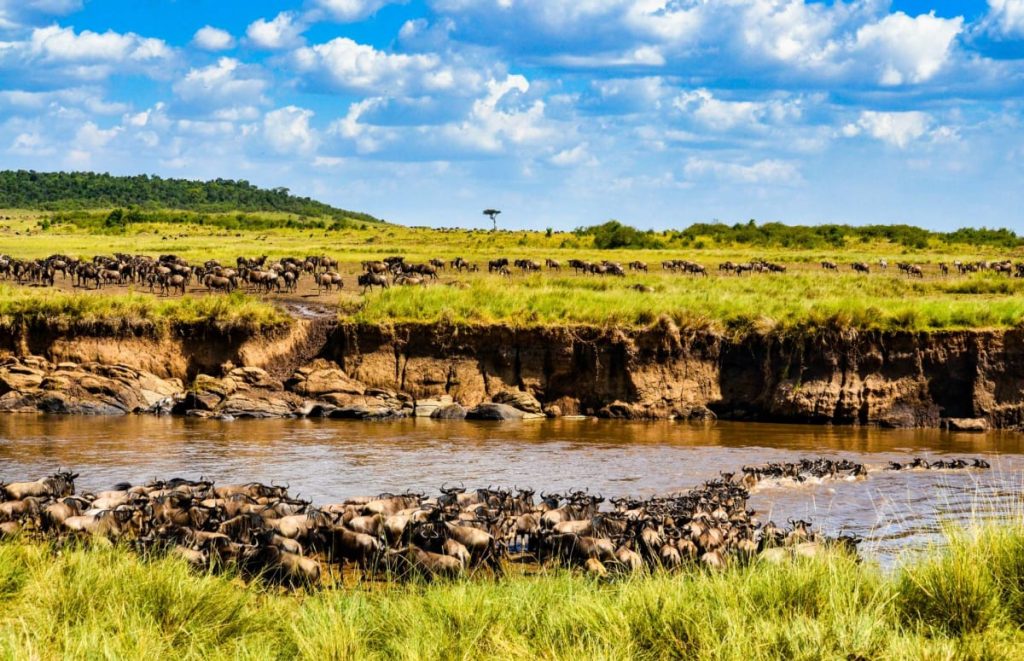
Further north, the landscape shifts. River crossings, seasonal concentrations of wildlife, and lower visitor density define this area. It is more remote and more dependent on timing.
The southern plains offer a different dynamic altogether. Open terrain, shorter grass, and calving season create a high-density but highly seasonal experience.
Migration Timing Without Fixed Dates
The migration follows rainfall patterns rather than a calendar. While general timelines exist, they are approximations. Movement can accelerate, delay, or shift direction depending on environmental conditions.
Planning around this requires flexibility. Fixed expectations reduce the likelihood of aligning with the event itself.
Access and Internal Movement
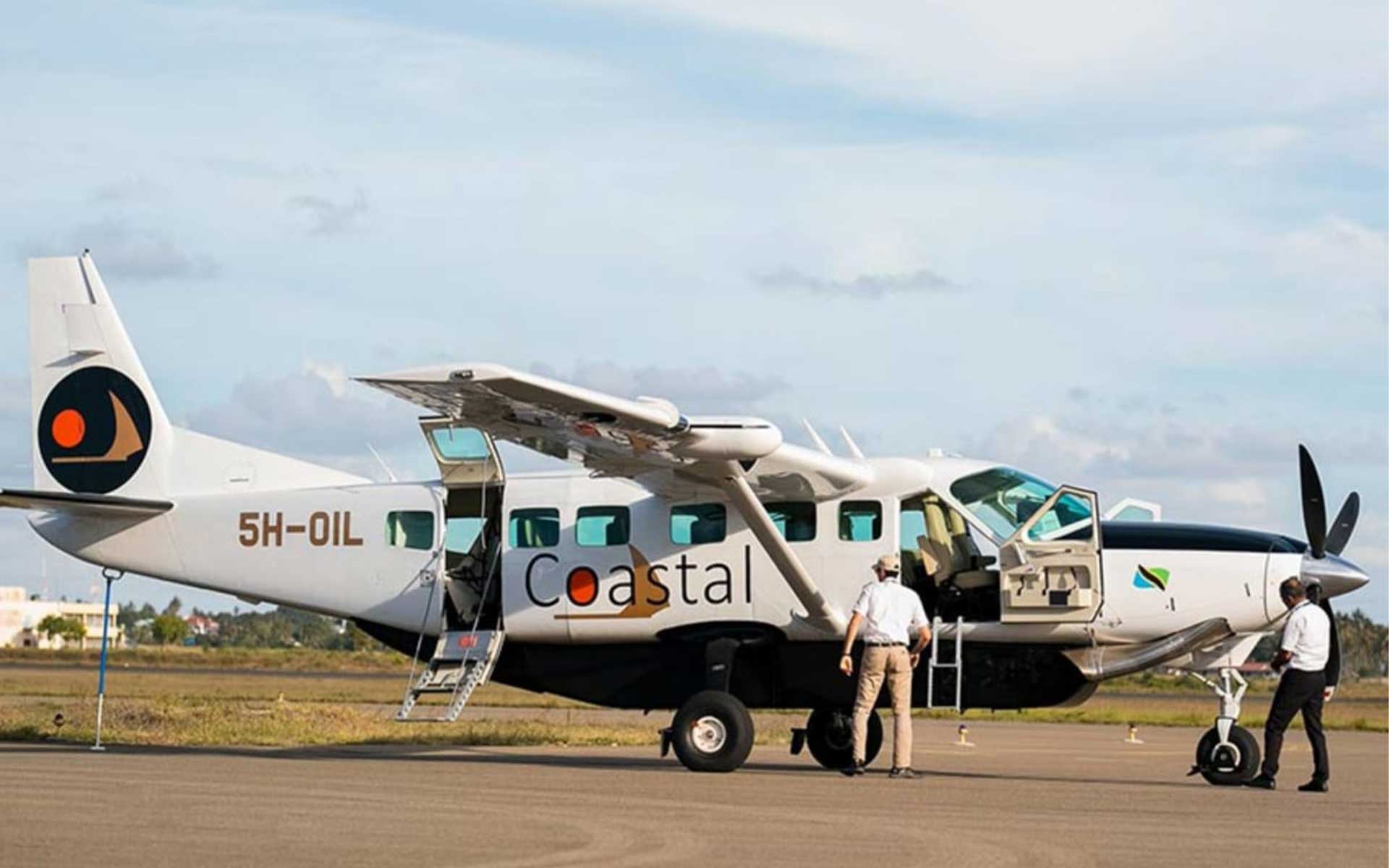
Each region is connected by its own airstrip. Flights allow movement between these areas, although overland transfers are also possible for those willing to trade time for continuity.
The decision to move within the Serengeti depends on itinerary length. Short trips benefit from staying in one region, while longer safaris can justify internal transitions.
Building the Experience
A Serengeti safari is defined less by duration and more by alignment. Being in the right place at the right time has more impact than adding extra days without geographic clarity. When location, season, and logistics align, the experience becomes coherent rather than fragmented.