
Understanding the Safari System
A Tanzania safari is not a single destination but a network of parks connected by geography and infrastructure. The most established version of this network is the northern circuit, which includes Serengeti National Park, Ngorongoro Crater, and Tarangire National Park.
These parks are not interchangeable. Each contributes a different element to the overall experience, and the value of visiting more than one lies in how those differences interact.
What Each Park Adds
The Serengeti is defined by scale. It is expansive, varied, and constantly changing due to wildlife movement. Time spent here forms the core of most itineraries.
Ngorongoro operates on a smaller scale but with higher concentration. The crater environment creates a contained ecosystem where wildlife density is consistently high. It is often experienced over a single day, but that day is typically one of the most active in the itinerary.
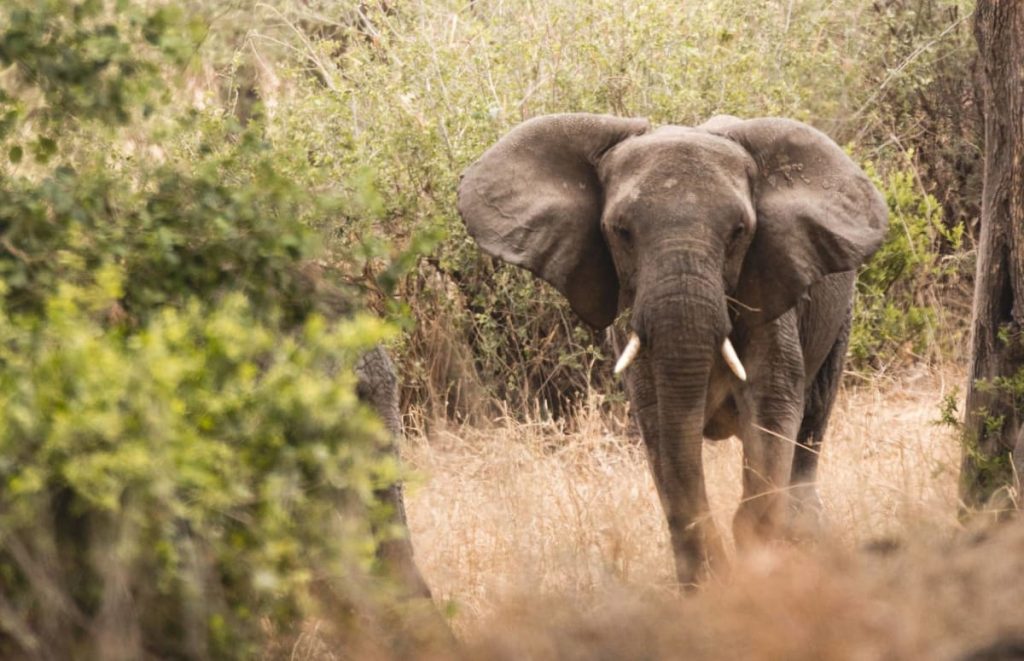
Tarangire introduces variation. Its landscape, vegetation, and seasonal wildlife patterns differ from both the Serengeti and Ngorongoro. During certain times of year, it supports large elephant populations and a different style of game viewing.
Building Routes That Make Sense
Routes through the northern circuit are shaped by physical positioning rather than preference. Travel usually begins near Arusha, moves outward through Tarangire, continues to Ngorongoro, and then extends into the Serengeti.
This sequence is not arbitrary. It reduces travel time, avoids repetition, and aligns with how roads and access points are structured. Reversing the order is possible, but often less efficient.
Flights can modify this structure, particularly when entering or exiting the Serengeti. However, even when flying is used, the underlying geography still determines how the itinerary should flow.
Time Allocation and Depth
Allocating time across parks is not about equal distribution. The Serengeti requires more time due to its size and variability. Ngorongoro is concentrated and can be experienced in a shorter window. Tarangire’s value depends on season and interest, and time spent there should reflect that.
Attempting to assign equal time to each park creates imbalance. The itinerary becomes structured around fairness rather than logic, which reduces overall effectiveness.
The Role of Logistics
Transport defines what is possible within a given timeframe. Road travel between parks can take several hours, and these distances accumulate quickly when multiple locations are included.
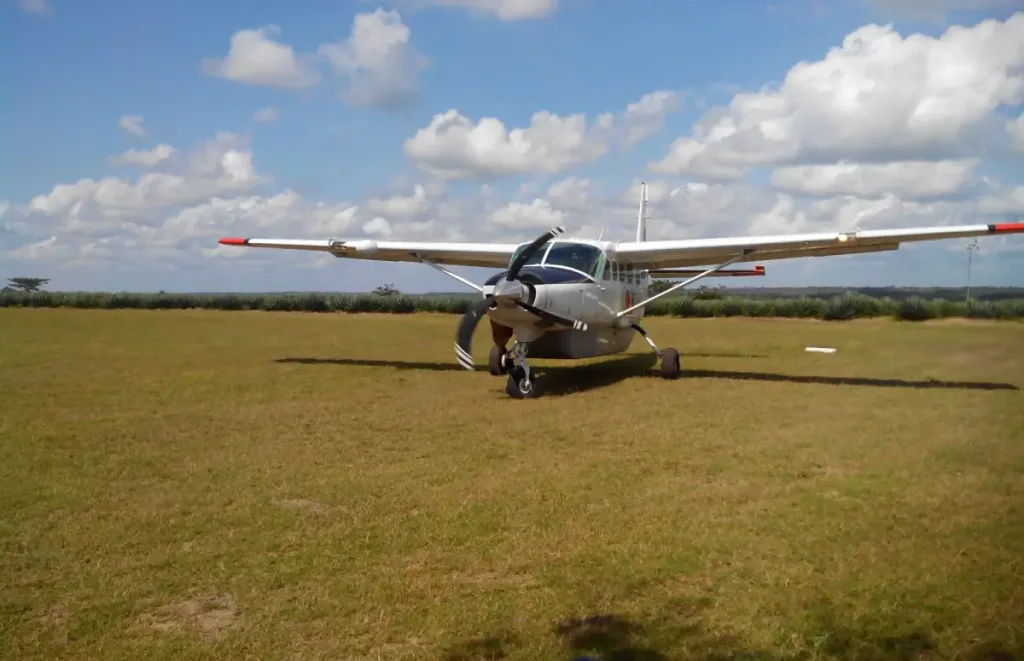
Flights reduce travel time but introduce scheduling constraints. They must be aligned with lodge locations, airstrips, and broader routing. Ignoring these factors leads to itineraries that appear efficient on paper but fail in execution.
Avoiding Overextension
The most common issue in safari planning is overextension. Adding too many parks or attempting to cover too much ground creates a constant state of movement. Game drives become shorter, transitions become longer, and the overall experience becomes diluted.
A smaller number of well-aligned locations produces a more coherent result. Depth replaces coverage, and the itinerary becomes easier to manage.
Structuring Around Experience Rather Than Checklists
A safari is not defined by the number of parks visited but by how time is spent within them. Slower movement, longer game drives, and consistent positioning within the right areas all contribute more than adding additional destinations.
When the structure prioritises experience over coverage, the itinerary becomes more stable and more effective.