Why Seronera Is One of the Best Places for Wildlife in the Serengeti
Seronera, located in the central Serengeti, is widely regarded as one of the most reliable areas for wildlife viewing in Tanzania. Unlike more seasonal regions of the park, Seronera offers consistent game viewing throughout the year due to its permanent water sources and varied landscape.
For travellers planning a safari or flying into Seronera Airstrip, understanding what wildlife you can expect to see helps set realistic expectations and shape your itinerary.
The Big Five in Seronera: What You’re Likely to See
Lions in Seronera: High Predator Density Year-Round
Seronera is one of the best places in Africa to see lions. The region supports multiple prides, often seen resting on kopjes (rock formations) or hunting across the plains.
Game drives frequently include:
- Lions lounging in the shade during the heat of the day
- Early morning or evening hunting activity
- Cubs playing near pride territories
Lion sightings are considered highly reliable in this part of the Serengeti.
Leopards in the Seronera Valley
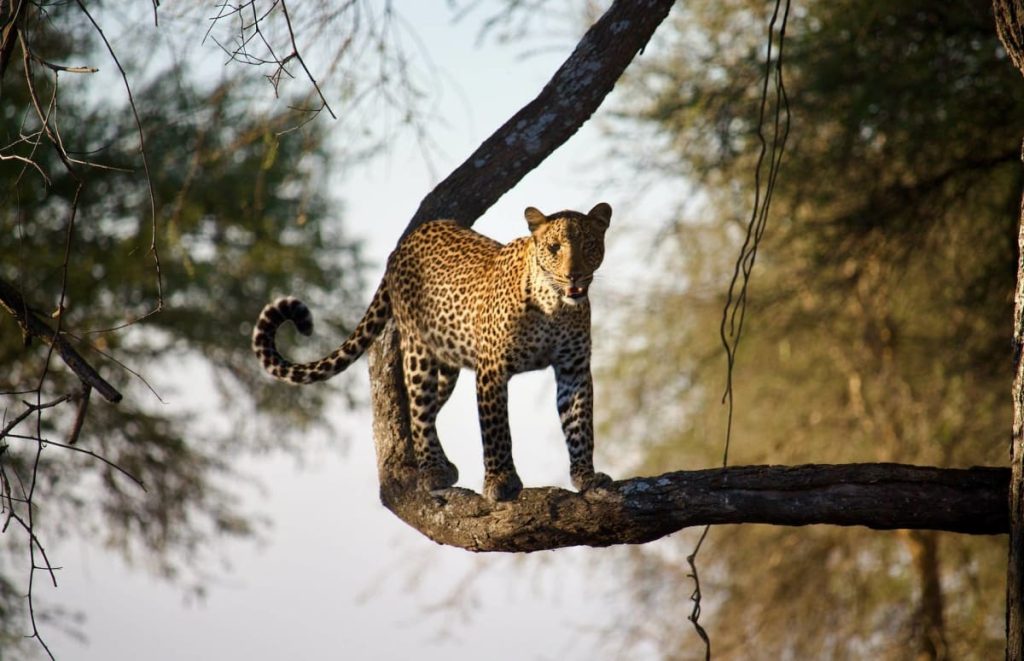
Leopards are more elusive but regularly spotted in Seronera, particularly along riverine areas such as the Seronera River.
Look for:
- Leopards resting in acacia trees
- Carcasses hoisted into branches
- Tracks along riverbanks during early morning drives
Seronera is one of the strongest leopard habitats in the Serengeti ecosystem.
Elephants and Buffalo Herds
Elephants and buffalo are both common in the central Serengeti.
- Elephants are often seen moving between woodland and open plains
- Buffalo herds can be large and are regularly encountered on game drives
These species are present throughout the year.
Rhinos: Rare but Possible
Black rhinos exist in the Serengeti but are extremely rare and typically found in more protected areas. Sightings in Seronera are uncommon but not impossible.
The Great Migration in Seronera: What to Expect
While the Serengeti migration is often associated with the north or south, Seronera plays a key role during certain months.
Migration Timing in Central Serengeti
- April to June: Large herds pass through Seronera during the long rains
- November to December: Smaller movements may return through the area
During these periods, you may see:
- Thousands of wildebeest and zebra
- Predator-prey interactions
- River crossings on a smaller scale than in the north
Outside of migration months, resident wildlife still ensures strong game viewing.
Year-Round Wildlife in Seronera
One of Seronera’s biggest advantages is consistency. Even when the migration has moved elsewhere, the area remains rich in wildlife.
Common sightings include:
- Giraffe across open plains
- Hippos in permanent pools
- Hyenas and jackals scavenging
- Cheetahs hunting in open grassland
This makes Seronera a reliable choice regardless of travel season.
Birdlife in Seronera: An Overlooked Highlight
Seronera is also a strong destination for birdwatching, with hundreds of species recorded.
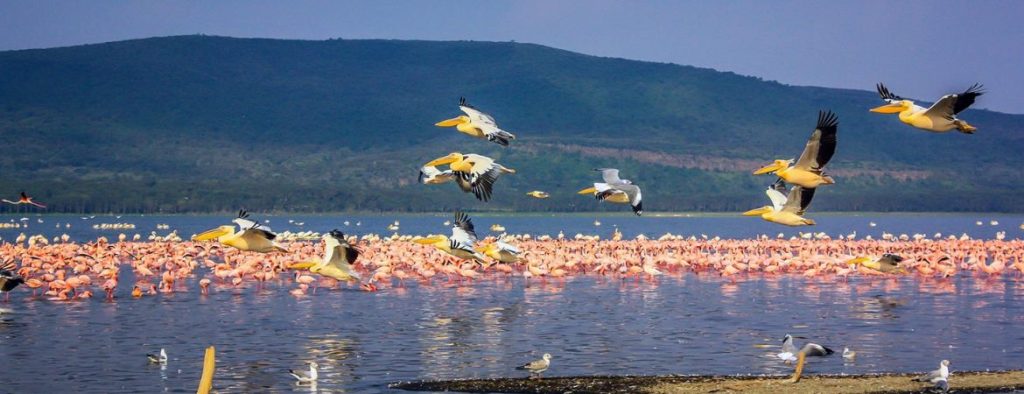
Expect to see:
- Secretary birds striding across the plains
- Fish eagles near water sources
- Vultures circling above predator activity
Birdlife adds depth to game drives beyond the larger mammals.
Morning vs Evening Game Drives in Seronera
Early Morning: Peak Predator Activity
Early morning drives offer the best chance to see predators active before the heat of the day.
Late Afternoon: Movement Returns
As temperatures drop, wildlife becomes more active again, increasing chances of dynamic sightings.
Planning your stay around these key times maximises wildlife encounters.
Why Seronera Works for First-Time and Repeat Safari Travellers
Seronera balances accessibility with high wildlife density, making it suitable for:
- First-time safari travellers wanting reliable sightings
- Repeat visitors looking for consistent predator encounters
- Travellers connecting between different Serengeti regions via airstrip
Its central location also makes it a logistical hub for multi-stop itineraries.
How Seronera Compares to Other Serengeti Regions
- Northern Serengeti (e.g. Lobo/Kogatende): More seasonal, quieter, migration-focused
- Southern Serengeti (Ndutu): Calving season and open plains
- Central Serengeti (Seronera): Best overall year-round wildlife density
For travellers prioritising consistent game viewing, Seronera remains one of the strongest choices.