Understanding Wildlife Distribution in the Serengeti
The Serengeti is not one uniform ecosystem. Wildlife density, species behaviour, and viewing opportunities vary significantly depending on the region. Knowing where to go is the difference between a good safari and a precise, high-yield one.
The Serengeti is broadly divided into four key areas: Central (Seronera), Northern (Kogatende and Lamai), Western (Grumeti), and Southern (Ndutu and the plains). Each offers a distinct wildlife profile.
Central Serengeti (Seronera): Year-Round Big Cat Territory
Seronera is the most consistent wildlife area in the Serengeti. If the objective is reliable sightings, this is the anchor location.
What animals you see in Seronera
- Lions in high densities, often in large prides
- Leopards along riverine areas
- Cheetahs across open plains
- Elephants and buffalo year-round
- Hippos in permanent pools
- Large numbers of resident herbivores
Predator-prey interaction is constant due to stable water sources. This is the best region for first-time safari travellers or those prioritising big cat sightings without relying on seasonal timing.
Northern Serengeti: Migration Crossings and Predator Action
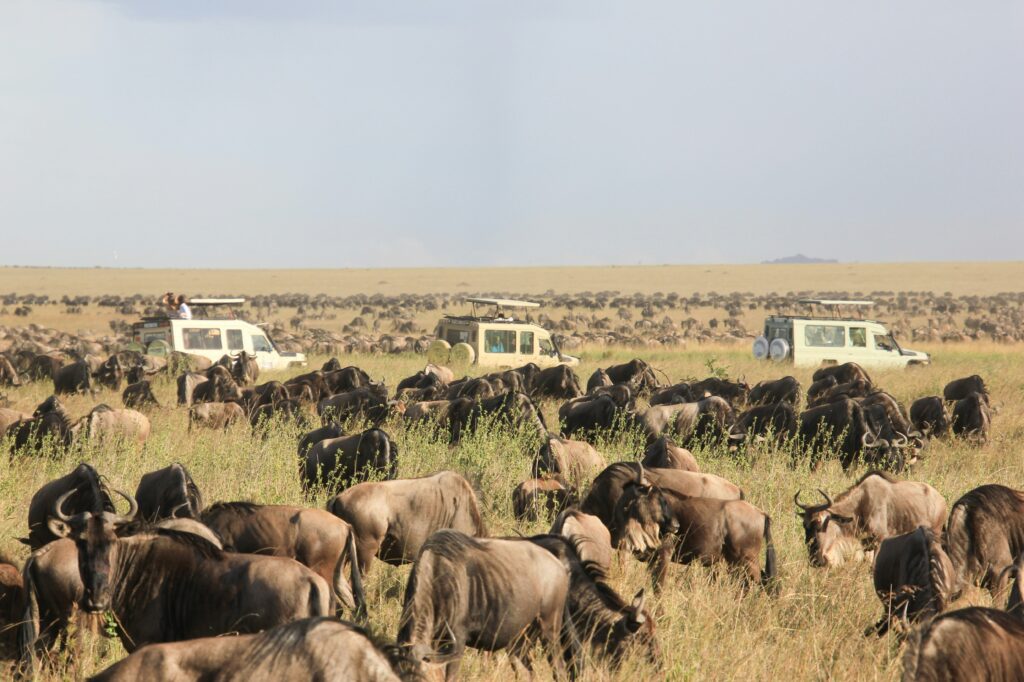
The northern Serengeti becomes critical between July and October when the Great Migration moves toward the Mara River.
What animals you see in the north
- Wildebeest and zebra herds in large numbers (seasonal)
- Nile crocodiles at river crossings
- Lions and hyenas tracking herds
- Leopards in woodland areas
- Elephants in smaller, scattered groups
This is the most dramatic safari environment during peak migration months. Outside of this period, wildlife is still present but less concentrated.
Western Serengeti (Grumeti): Migration Corridor and Exclusive Viewing
The western corridor offers a different pace. Wildlife is present year-round, but peaks during migration movement between May and July.
What animals you see in Grumeti
- Wildebeest herds during migration season
- Large Nile crocodiles in the Grumeti River
- Lions adapted to woodland hunting
- Colobus monkeys in riverine forests
- Elephants and giraffes in lower densities than central regions
This area is known for fewer vehicles and a more controlled safari environment, particularly within private concessions.
Southern Serengeti and Ndutu: Calving Season and Predator Density
From December to March, the southern plains become the focal point of the migration cycle.
What animals you see in the south
- Massive wildebeest herds during calving season
- Thousands of newborn calves over a short period
- Cheetahs hunting in open grasslands
- Lions and hyenas drawn to vulnerable young
- Flamingos in seasonal lakes (Ndutu)
This is the most productive time for predator sightings due to the concentration of prey. Outside of these months, wildlife disperses northward.
Matching Regions to Wildlife Priorities
The Serengeti should be planned based on outcome, not geography.
- For big cats at any time: Central Serengeti
- For river crossings: Northern Serengeti (July–October)
- For calving and predator density: Southern Serengeti (December–March)
- For quieter, exclusive safaris: Western Serengeti
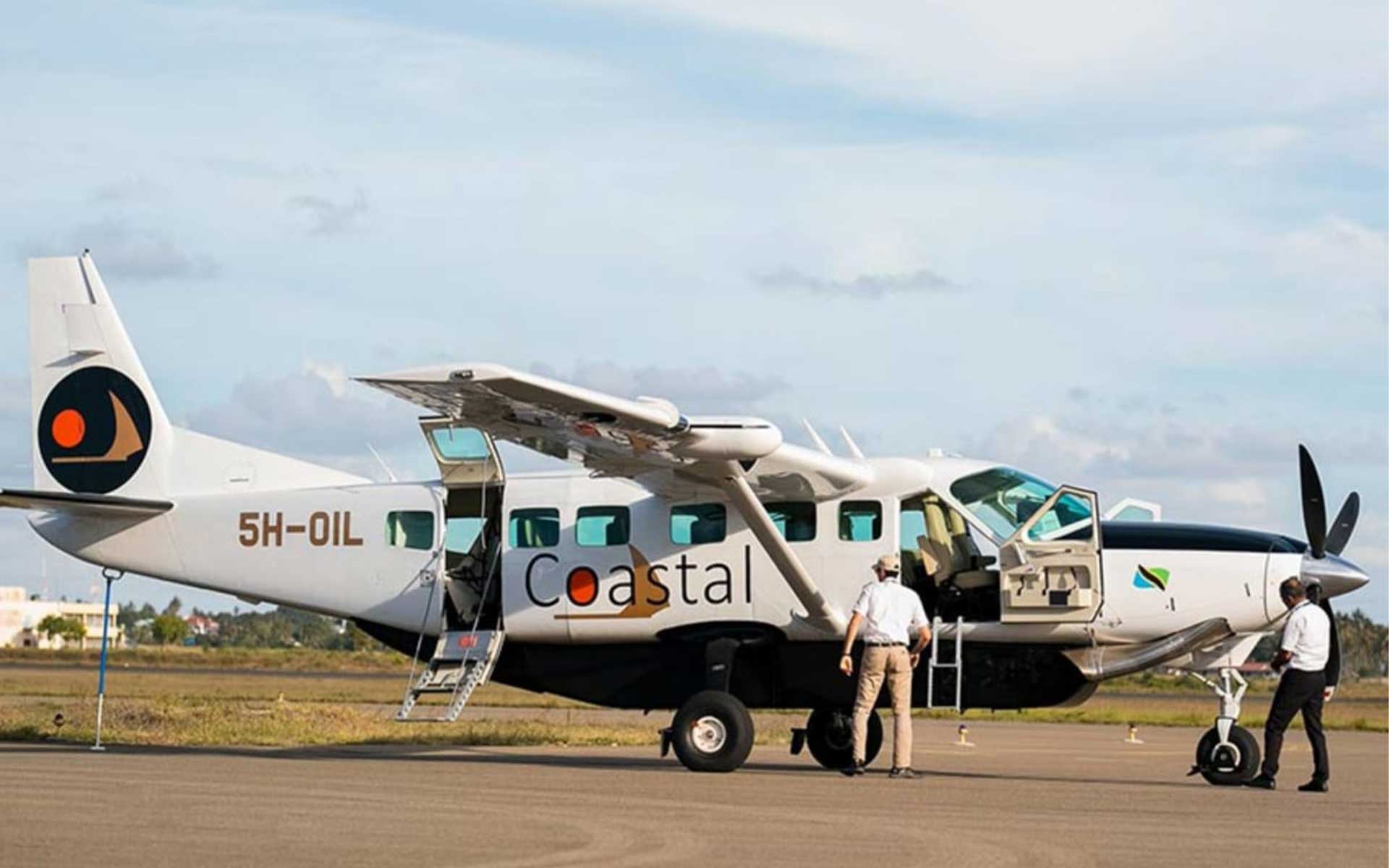
Combining regions through internal flights allows for coverage of multiple wildlife behaviours within a single itinerary.
Why Internal Flights Matter for Wildlife Viewing
Distances between regions are significant. Driving between them reduces time available for game viewing and introduces variability.
Flying between Serengeti airstrips allows travellers to:
- Align location with migration timing
- Maximise time in high-density wildlife zones
- Avoid unnecessary transit fatigue
- Structure multi-region itineraries efficiently
This is standard practice for high-quality Serengeti safaris.
Conclusion: Precision Over Chance
Wildlife in the Serengeti is predictable when understood correctly. The key variable is location and timing. Selecting the right region based on specific wildlife goals removes randomness and increases encounter quality.