What a Safari Actually Involves
A safari is not a passive holiday. It is structured around early starts, wildlife tracking, and time spent outdoors. The experience is driven by nature, not fixed schedules.
Typical days involve:
- Early morning game drives
- Midday rest periods at camp or lodge
- Afternoon and evening drives
- Wildlife viewing dependent on movement, not guarantees
Expect variation. No two days are identical.
Who a Safari Is Best Suited For
Safari travel is highly rewarding for specific types of travellers.
You are suited to a safari if you:
- Prioritise experiences over amenities
- Have patience for wildlife tracking
- Are comfortable with early mornings
- Value natural environments over urban settings
- Accept unpredictability as part of the experience
This is not a controlled environment. Outcomes depend on timing, location, and natural behaviour.
Who May Find a Safari Challenging
Safari is not universally suited.
It may not align if you:
- Prefer structured itineraries with fixed outcomes
- Require constant connectivity
- Dislike long periods in vehicles
- Expect luxury in the conventional sense rather than remote comfort
Even high-end lodges operate within remote constraints. This is not comparable to city-based luxury travel.
Levels of Safari: Budget to High-End
Safari is not one product. It exists across a wide spectrum.
Budget safaris
- Larger groups
- Road-based itineraries
- Basic accommodation
Mid-range safaris
- Smaller groups or private vehicles
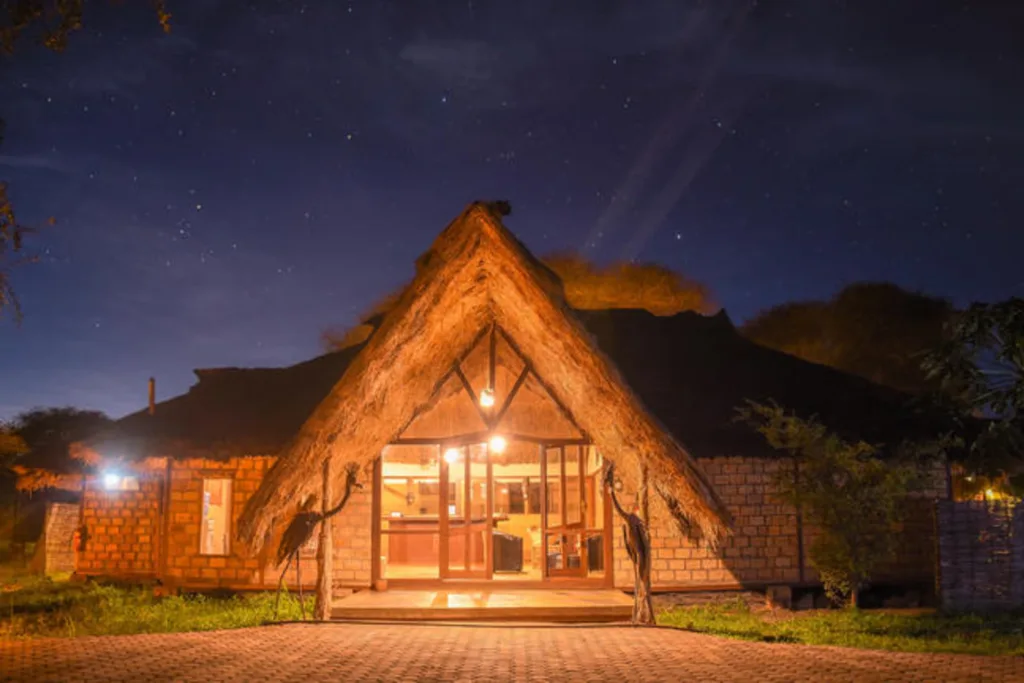
- Permanent tented camps or lodges
- Balanced comfort and cost
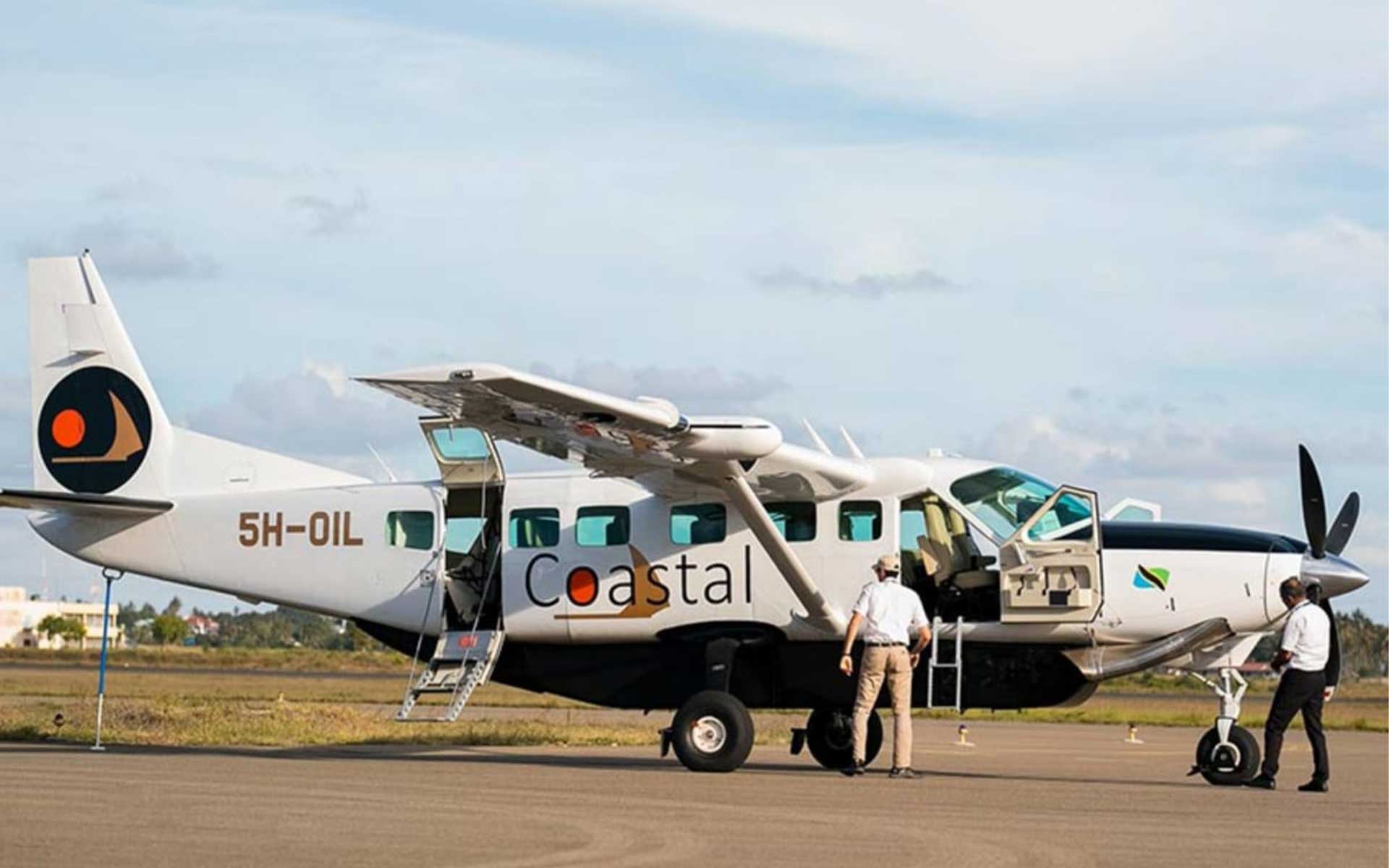
High-end fly-in safaris
- Scheduled light aircraft between regions
- Premium lodges with low guest numbers
- Focus on exclusivity and efficiency
The experience changes significantly depending on level chosen.
What You Actually See on Safari
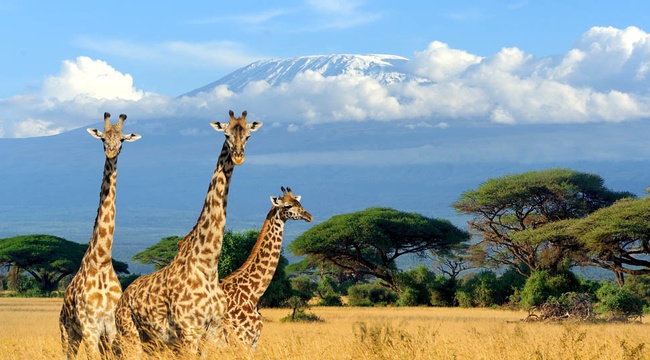
Expect wildlife, but not certainty.
- Large mammals are commonly seen in the Serengeti
- Predator sightings depend on timing and guide expertise
- Migration events are seasonal and location-specific
Guides play a central role. Their ability to interpret tracks, behaviour, and radio communication directly affects outcomes.
Comfort, Safety, and Practical Reality
Modern safaris are structured for safety, but conditions are still remote.
- Professional guides and regulated operations
- Controlled game viewing protocols
- Medical evacuation options in most regions
Comfort varies by lodge level, but even high-end camps operate in natural environments with limited infrastructure.
Why Flights Change the Safari Experience
Internal flights reduce friction.
- Replace long drives between parks or regions
- Increase time spent on actual safari activity
- Enable multi-region itineraries without fatigue
For travellers with limited time, flights are not optional. They define the quality of the itinerary.
Final Assessment: Fit Over Expectation
A safari is not about ticking a destination. It is a specific style of travel requiring alignment with expectations and behaviour.
When matched correctly, it delivers high-value, experience-led travel. When mismatched, it creates friction.
The decision is binary: either the format fits, or it does not.