Travellers researching safaris in northern Tanzania will quickly notice that almost every itinerary begins in Arusha. The city sits at the centre of Tanzania’s famous Northern Safari Circuit and acts as the logistical hub for safaris, mountain climbs, and wildlife expeditions.
Positioned between several major national parks and close to key transport links, Arusha has become the natural starting point for exploring the region. From here, travellers can easily access iconic destinations such as Serengeti National Park, Ngorongoro Conservation Area, and Tarangire National Park, making it the gateway to some of Africa’s most celebrated wildlife experiences.
But Arusha is more than just a starting point. Its location, infrastructure, and proximity to several natural landmarks make it the central hub connecting Tanzania’s safari parks, domestic flight networks, and mountaineering routes.
Where Is Arusha and Why Is It Important for Safaris?
Arusha lies in northern Tanzania at the base of Mount Meru, the country’s second-highest mountain. The city is positioned almost exactly between Tanzania’s northern wildlife reserves and the international arrival points used by most travellers.
This strategic location allows safari companies to organise departures efficiently. Visitors arriving by domestic flight or road can quickly transition into safari vehicles heading toward the surrounding parks.
Because of this central position, Arusha has developed into Tanzania’s primary safari planning centre. Tour operators, guides, vehicle fleets, and logistics teams are largely based here, allowing safaris across northern Tanzania to operate smoothly.
What Is the Northern Safari Circuit?
The Northern Safari Circuit is Tanzania’s most famous wildlife region. It contains several world-renowned national parks and conservation areas that offer exceptional wildlife viewing throughout the year.
The circuit typically includes:
- Serengeti National Park – known globally for the Great Migration and vast open plains
- Ngorongoro Conservation Area – home to the Ngorongoro Crater and dense wildlife populations
- Tarangire National Park – famous for large elephant herds and baobab landscapes
- Lake Manyara National Park – known for tree-climbing lions and scenic Rift Valley views
- Arusha National Park – a smaller but beautiful park near the city
Because these parks sit within a relatively compact region, Arusha provides the ideal base from which safaris can begin.
Most travellers spend their first night in Arusha before heading out on a multi-day safari exploring several parks in sequence.
Easy Access to Tanzania’s Major Safari Parks
One of the main reasons Arusha functions as the safari gateway is the short travel distance to several of Tanzania’s most important wildlife destinations.
From Arusha, travellers can reach:
- Tarangire National Park in approximately two hours by road
- Lake Manyara National Park in roughly two to three hours
- Ngorongoro Conservation Area in around four hours
- Serengeti National Park either by road or domestic safari flight
This proximity allows safari itineraries to link several parks together in a single journey. Visitors might begin with Tarangire, continue through the Ngorongoro Highlands, and then finish in the Serengeti.
The convenience of these connections is one of the key reasons Arusha has become the starting point for northern Tanzania safaris.
Domestic Flights Connecting Arusha to the Serengeti
Another reason Arusha plays such a central role in safari travel is its domestic aviation network.
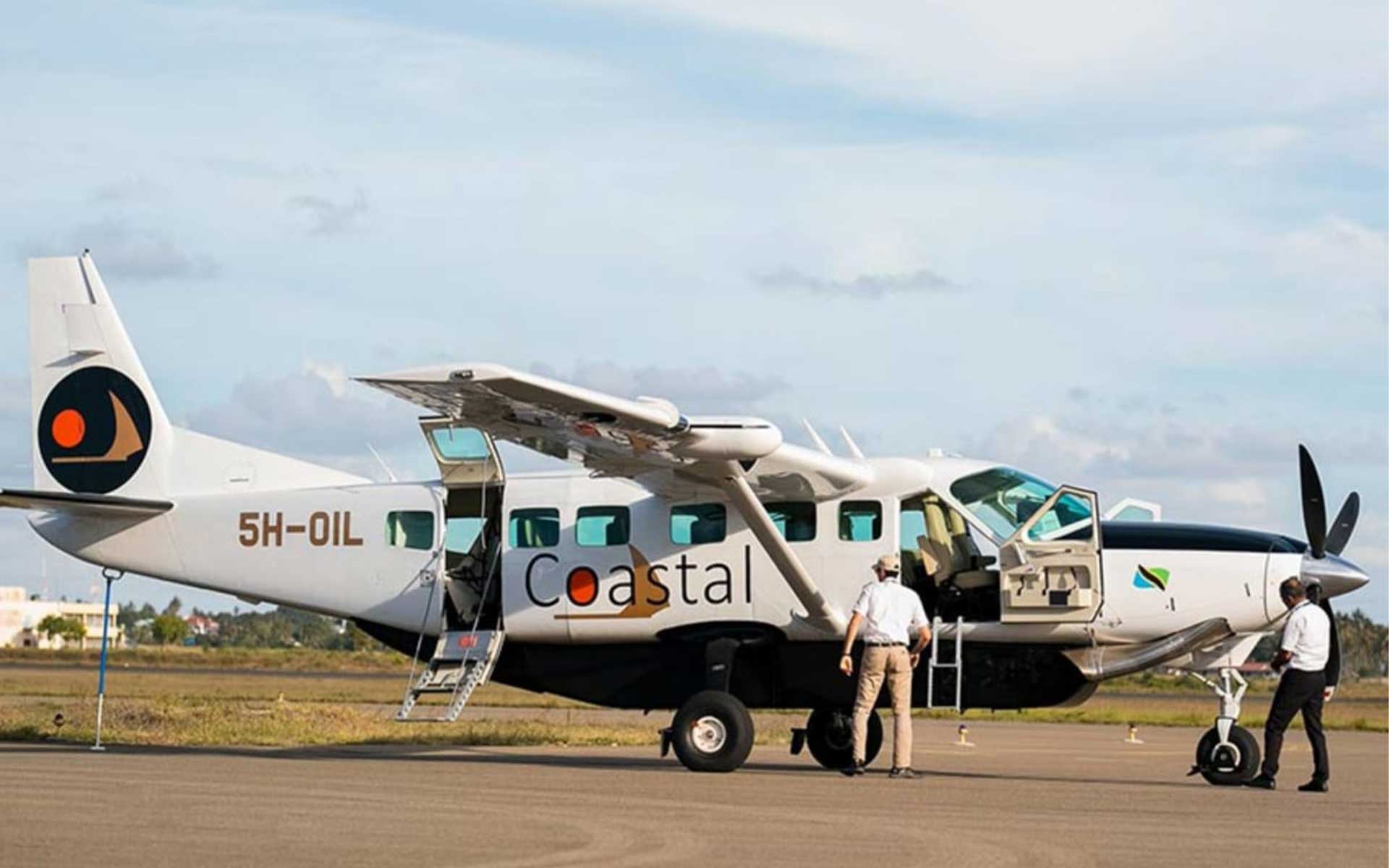
From Arusha Airport, travellers can board small safari aircraft heading directly to remote airstrips across the Serengeti and surrounding reserves.
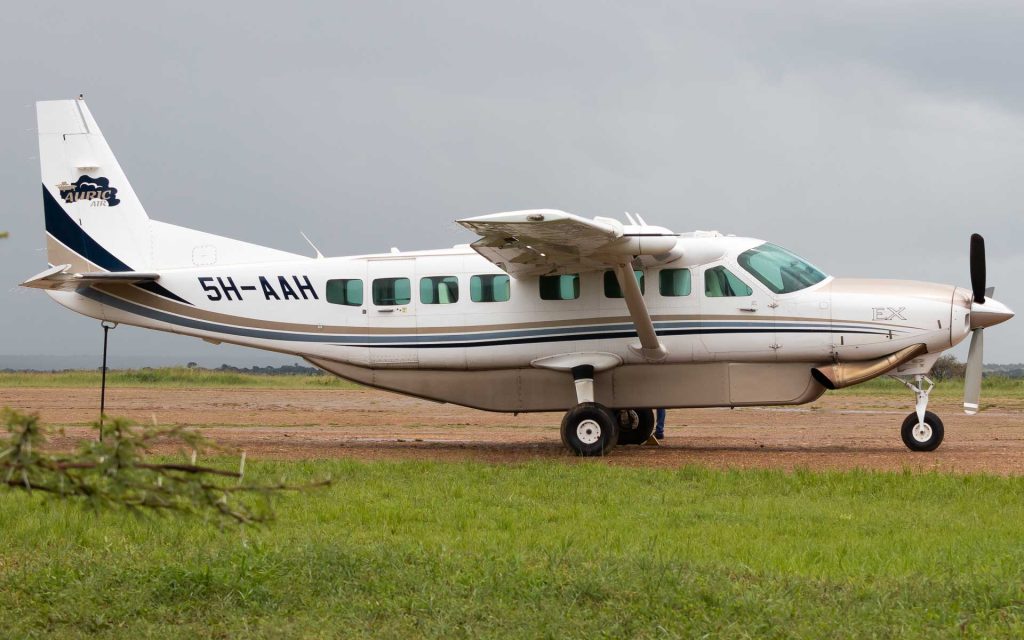
Airlines such as Coastal Aviation and Auric Air operate scheduled services linking Arusha with multiple Serengeti airstrips. These flights allow travellers to reach remote camps in under an hour rather than undertaking long road journeys.
Domestic aviation has therefore strengthened Arusha’s role as the central hub for safari logistics across northern Tanzania.
Why Many Safaris Begin with a Night in Arusha
Most safari itineraries include a short stay in Arusha before travellers enter the national parks.
This stopover allows visitors to:
- Recover from long international flights
- Attend safari briefings with guides
- Prepare equipment and luggage
- Organise domestic flight connections
The city also offers a comfortable introduction to Tanzania before travellers venture deeper into remote wildlife areas.
Many safari lodges and boutique hotels are located around Arusha, providing convenient pre- and post-safari accommodation.
A Gateway Not Just for Safaris
While Arusha is best known as the safari gateway, it also plays a major role in mountaineering travel.
The city is one of the primary staging points for climbers attempting Mount Kilimanjaro, Africa’s highest mountain.
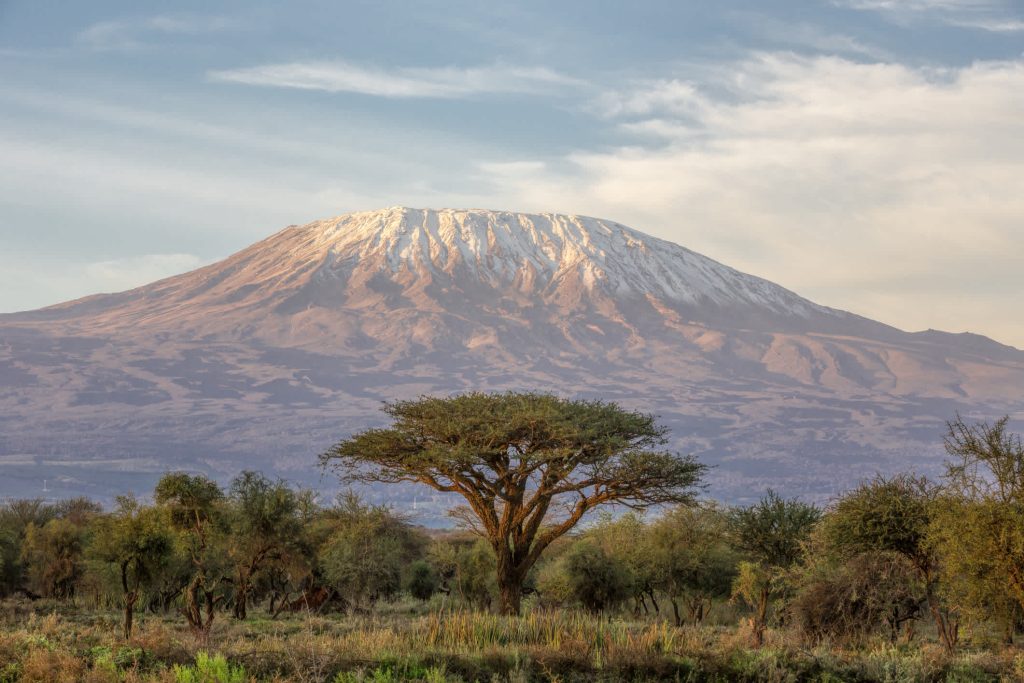
Expedition teams often organise equipment checks, briefings, and logistics in Arusha before transferring to Kilimanjaro’s trailheads. Because of this, many visitors combine a mountain climb with a safari in the surrounding parks.
This unique combination of wildlife and mountaineering tourism further reinforces Arusha’s role as northern Tanzania’s travel hub.
The Strategic Location That Makes Arusha the Gateway
Arusha’s position is ultimately what makes it so important.
Within a few hours of the city travellers can access:
- Several world-class wildlife parks
- Domestic flight connections into the Serengeti
- Routes leading to Mount Kilimanjaro
- Scenic landscapes across the Great Rift Valley
Few destinations in Africa offer such a concentrated collection of natural attractions within a single region.
For travellers planning a safari in Tanzania, Arusha therefore serves as the natural gateway to the Northern Safari Circuit.