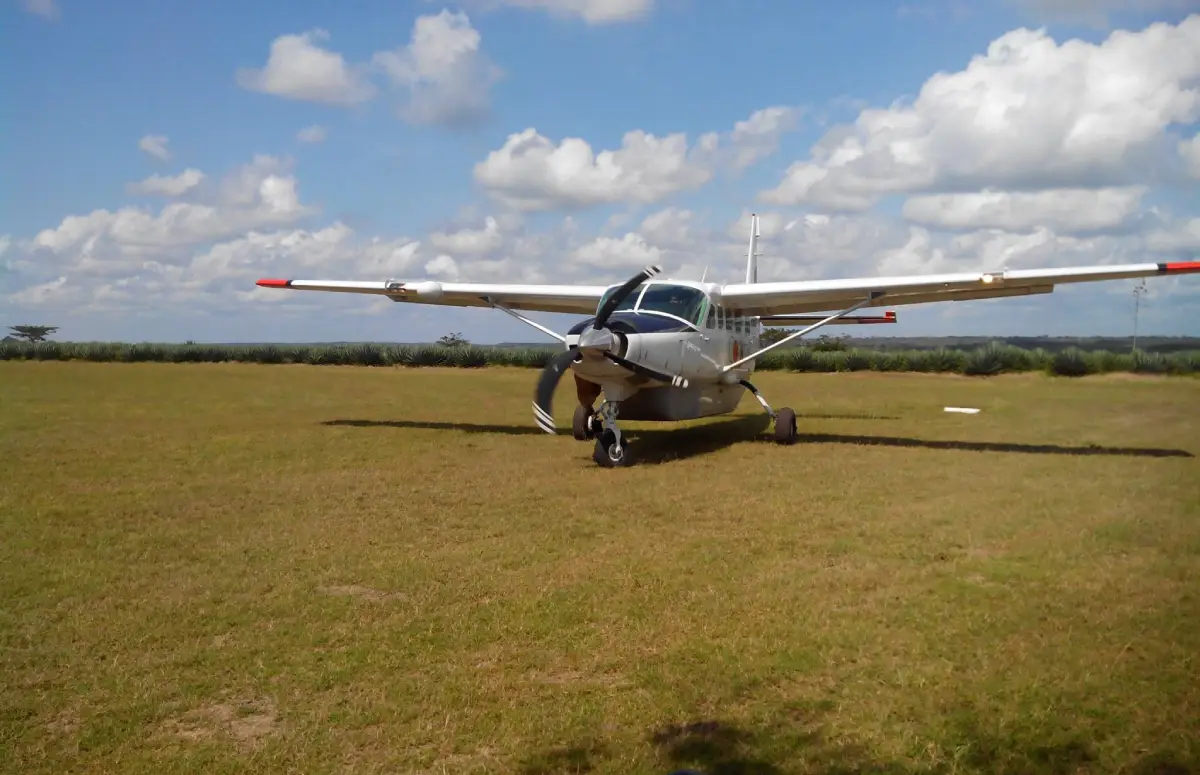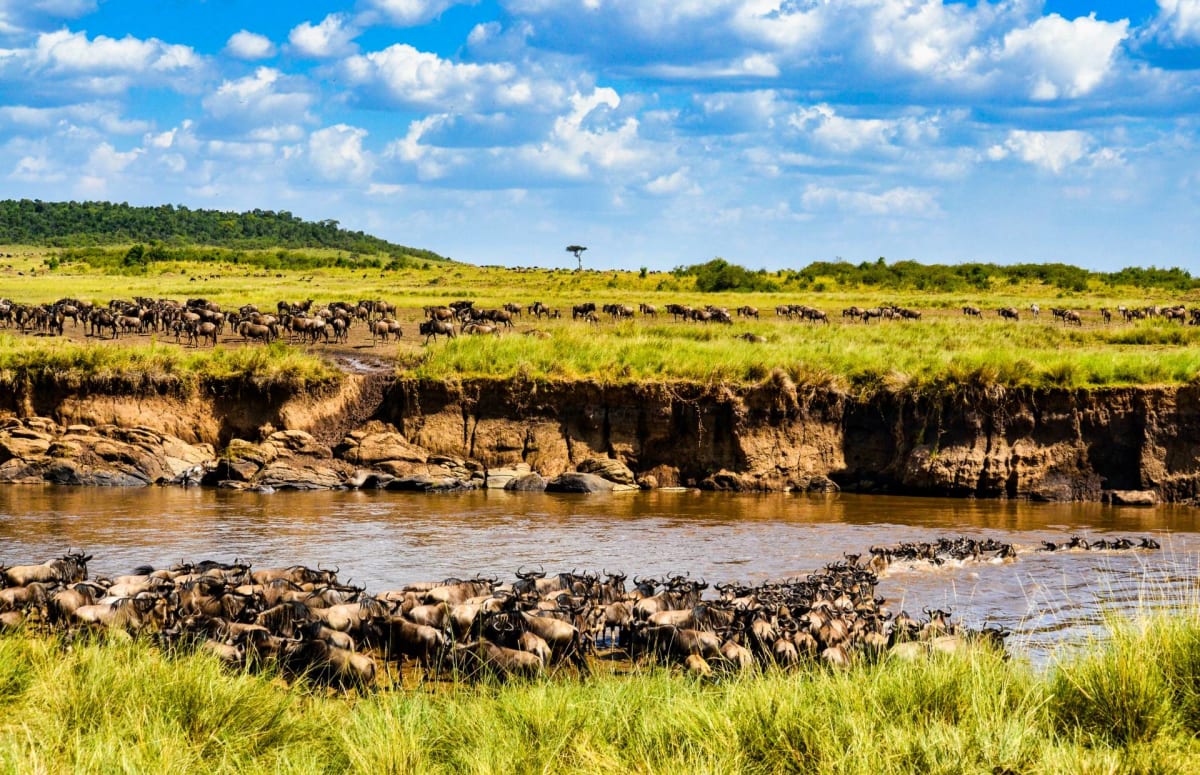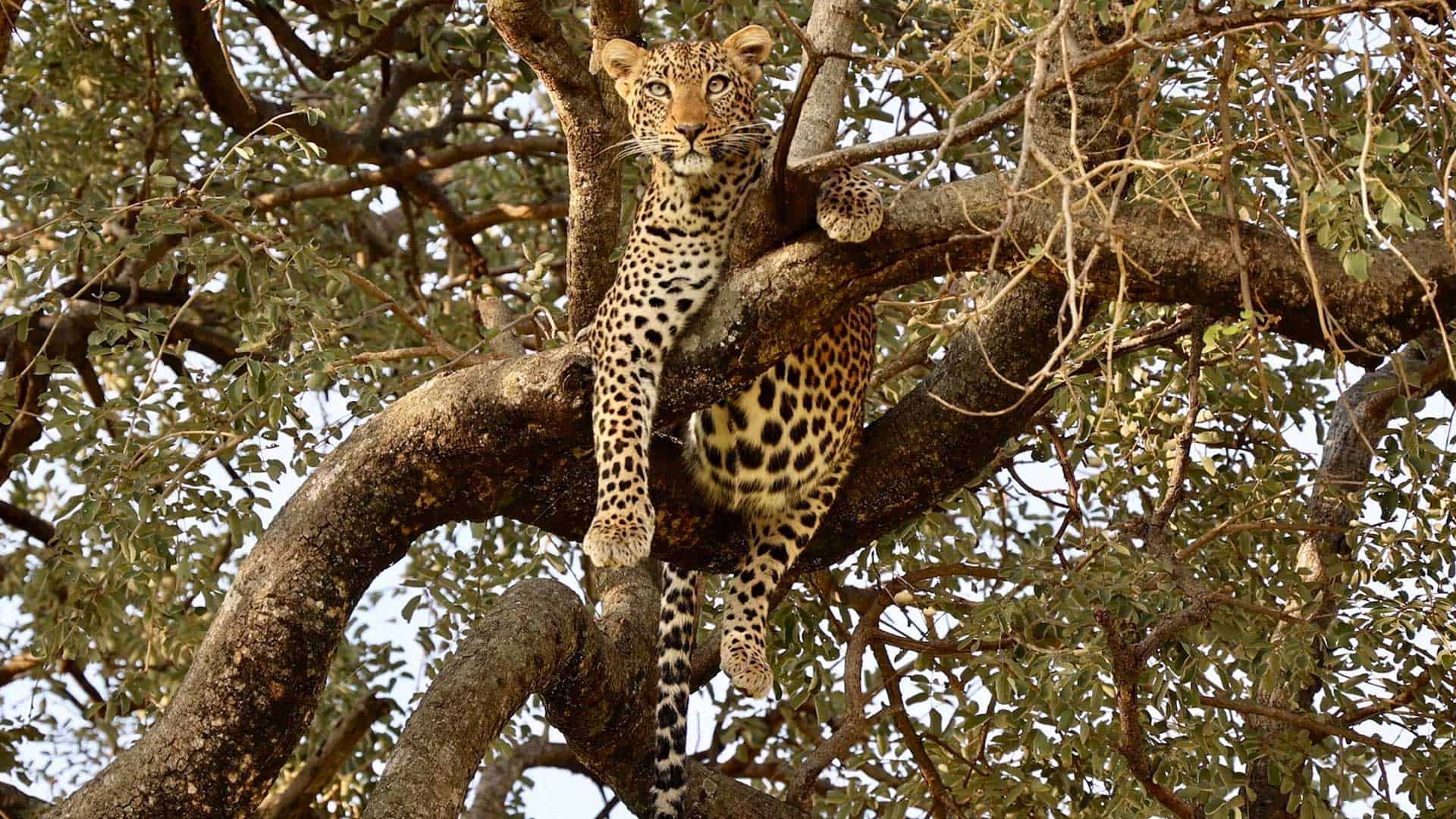
Because Serengeti National Park is so large, flights into the park do not arrive at a single airport. Instead, travellers land at a network of small bush airstrips located throughout the Serengeti ecosystem.
Choosing the right airstrip is an important part of planning a safari. The airstrip you fly into determines how close you are to your lodge, the wildlife areas you will explore, and where the Great Migration may be during your visit.
Below is a guide to the main Serengeti airstrips and how they are used by travellers flying into the park.
Seronera Airstrip – Central Serengeti Gateway
Seronera Airstrip is the main aviation hub in the central Serengeti.
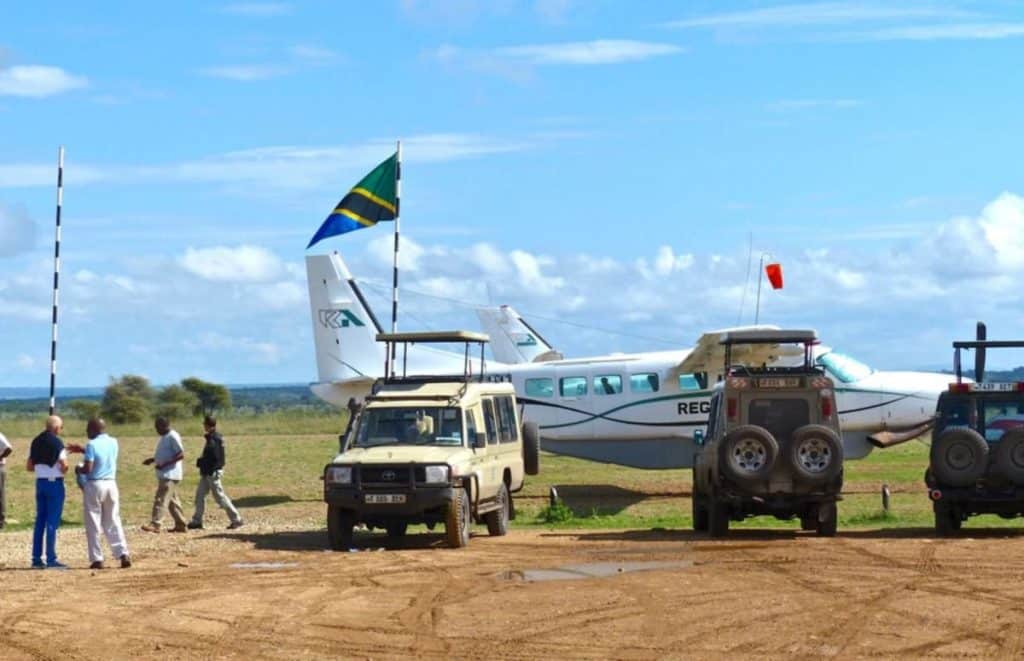
Located in the Seronera Valley, it provides access to one of the most wildlife-rich regions of the park. Because the area has permanent water sources and large resident animal populations, it offers excellent wildlife viewing throughout the year.
Many travellers flying from Arusha or Zanzibar arrive at Seronera when visiting the Serengeti for the first time.
The airstrip serves numerous lodges and camps in the surrounding region, including several well-known safari properties. Transfers from the airstrip to camps typically take between 20 minutes and one hour depending on location.
For travellers looking for consistent wildlife viewing and easy access to central Serengeti lodges, Seronera is often the best airstrip to fly into.
Kogatende Airstrip – Northern Serengeti Migration Flights
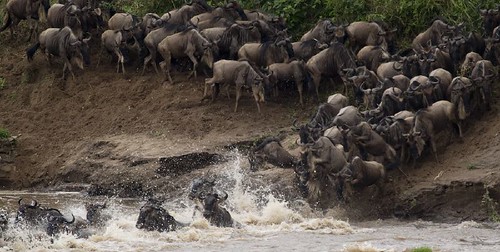
Kogatende Airstrip serves the northern Serengeti and is closely associated with the Mara River migration crossings.
During the migration season between July and October, many travellers fly directly to Kogatende to stay near the Mara River. Camps in this region position themselves close to crossing points where large herds gather before attempting the river crossing.
Because the migration moves throughout the year, camps and travellers only use this airstrip heavily during specific months.
Outside migration season, flights to Kogatende are less frequent.
Ndutu Airstrip – Calving Season Access
Ndutu Airstrip provides access to the southern Serengeti plains and the nearby Ngorongoro Conservation Area.
This region becomes the focus of activity during the Great Migration calving season, when hundreds of thousands of wildebeest gather to give birth between January and March.
Because of this seasonal wildlife event, many mobile safari camps relocate to the Ndutu area during these months.
Travellers visiting specifically for calving season safaris often fly into Ndutu to minimise travel time between the airstrip and the surrounding plains.
Grumeti Airstrip – Western Serengeti Lodges
Grumeti Airstrip serves the western Serengeti corridor and several nearby private reserves.
This region is known for high-end safari lodges and private concessions that offer a more exclusive Serengeti experience. The landscape here is different from the open plains found in other parts of the park, with river systems and wooded areas supporting diverse wildlife.
The Great Migration typically moves through this region between May and June, when herds travel northward toward the Mara River.
Flights into Grumeti often serve travellers staying at luxury camps located within the western Serengeti ecosystem.
Why the Airstrip Matters for Your Serengeti Safari
Choosing the correct Serengeti airstrip can significantly affect your safari experience.
Flying into the airstrip closest to your lodge reduces travel time and allows you to begin game viewing sooner. Many safari transfers start immediately after landing, meaning the drive to camp often doubles as the first wildlife viewing opportunity.
Because different regions of the Serengeti offer different seasonal wildlife experiences, selecting the right airstrip also helps ensure you are positioned near the most active wildlife areas during your visit.
Planning Flights into the Serengeti
Most travellers reach the Serengeti by taking a scheduled safari flight from Arusha or another northern Tanzania gateway.
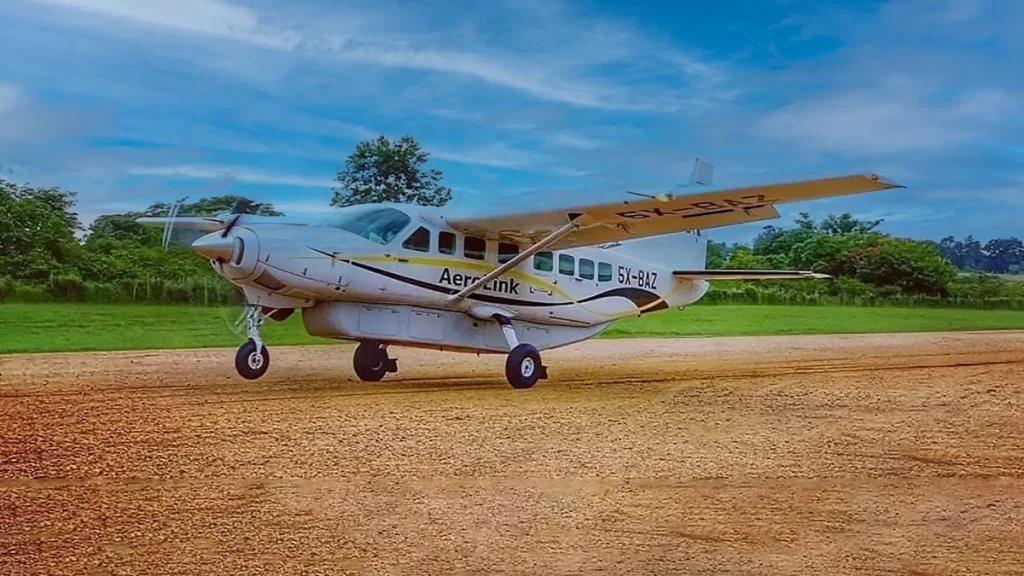
These flights use small bush aircraft capable of landing on the park’s remote airstrips. Baggage allowances are typically limited, and travellers are usually required to pack in soft-sided bags.
Flights often operate daily between major safari destinations, making it possible to combine multiple Serengeti regions within the same itinerary.
Understanding how Serengeti airstrips work allows travellers to choose the best arrival point and make the most of their time exploring one of Africa’s most iconic wildlife ecosystems.