The Serengeti is one of the most famous wildlife destinations in the world, covering nearly 15,000 square kilometres of northern Tanzania. For travellers visiting for the first time, deciding where to stay in the Serengeti can feel overwhelming. The park is vast, and different regions offer different wildlife experiences depending on the season.
Understanding the main areas of the Serengeti helps travellers plan their safari more effectively and choose the right airstrip, lodge location, and time of year. Below are the best areas of the Serengeti for first-time safari visitors, along with what makes each region unique.
1. Central Serengeti (Seronera) – The Best All-Round Safari Area
For most first-time visitors, the Central Serengeti, often referred to as the Seronera region, is the best place to start.
This area sits in the heart of Serengeti National Park and offers some of the most reliable wildlife viewing in Tanzania throughout the year. Permanent water sources such as the Seronera River attract animals even during the dry season, making sightings highly consistent.
Visitors to this region commonly see:
- Lions and large prides
- Leopards in riverine forests
- Elephants and buffalo
- Large herds of plains game
The central Serengeti is also a major crossroads for the Great Migration as wildebeest and zebra move between southern calving grounds and the northern Mara River region.
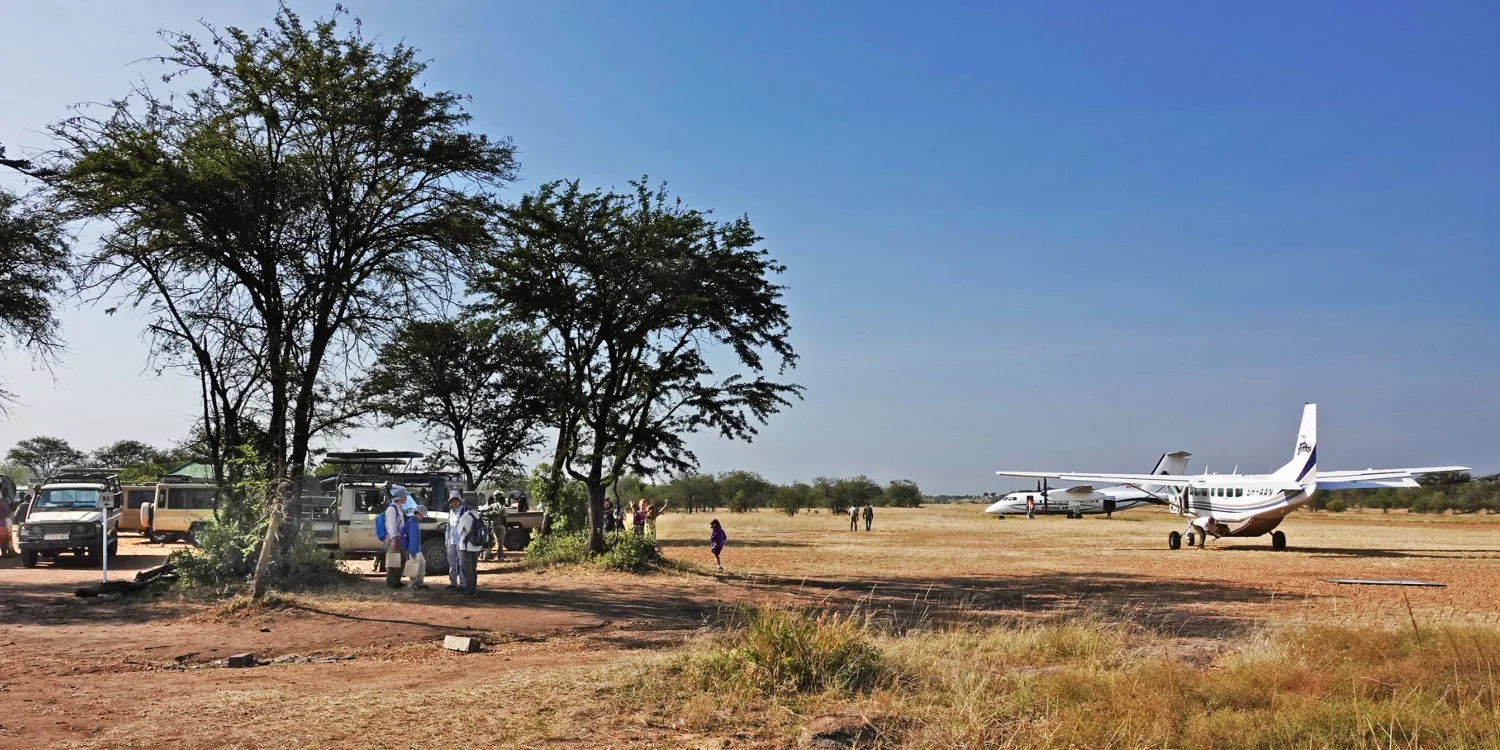
Because of its central location, the area has a wide range of accommodation, from luxury safari lodges to tented camps. It is also easily accessed by flights into Seronera Airstrip, one of the busiest airstrips in the park.
For travellers visiting the Serengeti for the first time, the central Serengeti provides the most balanced safari experience.
2. Northern Serengeti (Kogatende) – Best for the Mara River Migration
The Northern Serengeti is famous for one of the most dramatic wildlife events on earth: the Mara River crossings.
Between roughly July and October, massive herds of wildebeest and zebra gather near the Mara River as they attempt to cross into Kenya’s Maasai Mara. These crossings are unpredictable and often intense, with crocodiles waiting in the river and predators nearby.
Because of this spectacle, the northern Serengeti is one of the most sought-after safari destinations during the migration season.
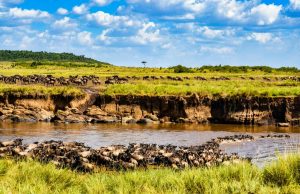
Flights typically arrive at Kogatende Airstrip, which serves several camps located near the Mara River.
Outside migration months, the northern Serengeti is much quieter. Wildlife remains present, but many animals move south with the migration. As a result, this region is usually best visited specifically during migration season.
3. Southern Serengeti (Ndutu) – The Calving Season Destination
The Southern Serengeti, particularly the Ndutu region, becomes the centre of activity during the Great Migration calving season.
From approximately January to March, hundreds of thousands of wildebeest gather on the short-grass plains around Ndutu to give birth. During this period, thousands of calves can be born every day.
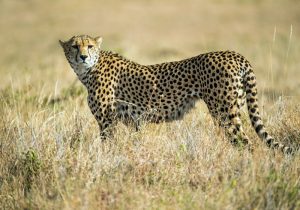
This concentration of vulnerable young animals attracts predators, making the southern Serengeti one of the best places in Africa to see:
- Lions hunting
- Cheetahs chasing wildebeest calves
- Hyenas competing over kills
The open plains also make wildlife easier to spot than in some other parts of the park.
Travellers usually fly into Ndutu Airstrip when visiting this area. Many mobile migration camps relocate here during the calving months to stay close to the herds.
For travellers interested in predator action and dramatic wildlife encounters, Ndutu is one of the best places in the Serengeti.
4. Western Serengeti (Grumeti) – A Quieter Safari Experience
The Western Corridor of the Serengeti, often referred to as the Grumeti region, offers a quieter and more exclusive safari experience.
This area lies along the Grumeti River and is known for its private concessions and luxury camps. While it does receive migration herds during certain months, it is less crowded than the northern Mara River region.
Visitors to western Serengeti often enjoy:
• Excellent lion sightings
• Large resident wildlife populations
• Scenic river landscapes
The migration typically passes through the western Serengeti between May and June, when herds move toward the north.
Flights into this region usually land at Grumeti Airstrip, which provides access to several high-end lodges and private reserves nearby.
For travellers seeking a quieter Serengeti safari, this region can be an excellent option.
5. Eastern Serengeti – Remote and Wild
The Eastern Serengeti is one of the least visited regions of the park, making it attractive for travellers who want a more remote safari.
This area is known for its wide open plains and excellent cheetah habitat. Wildlife viewing can be excellent, particularly for predators that thrive in open landscapes.
Because tourism infrastructure is limited compared with other parts of the park, fewer lodges operate here. However, those that do tend to offer a very exclusive safari experience.
Flights into the eastern Serengeti often use airstrips near camps located away from the busier central regions.
For experienced safari travellers returning to the Serengeti, this quieter part of the park offers a different perspective on the ecosystem.
Choosing the Right Serengeti Area for Your Safari
For first-time visitors, the best Serengeti location often depends on when you are travelling and what wildlife experience you hope to see.
Central Serengeti remains the most reliable year-round safari destination, making it the safest choice for many travellers.
However, if your goal is specifically to see the Great Migration, choosing the region where the herds are likely to be during your travel dates can dramatically improve your experience.
Many itineraries combine two different Serengeti regions to maximise wildlife viewing across the ecosystem.